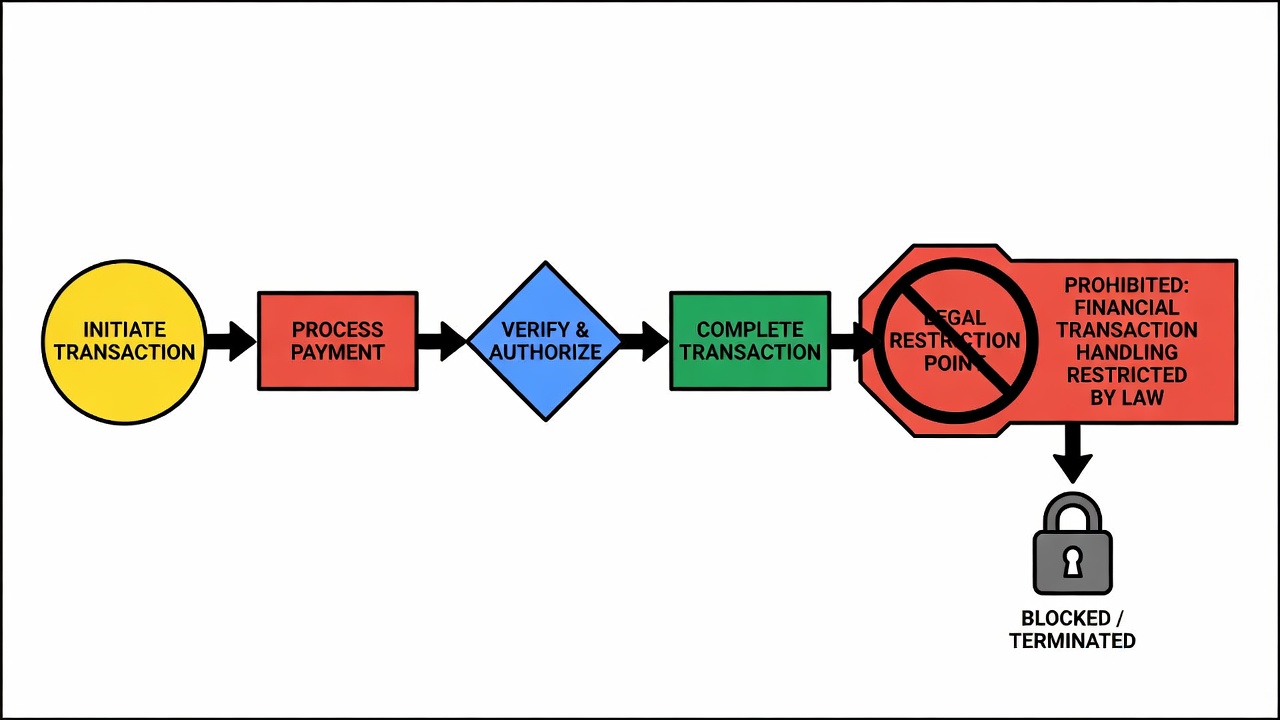
The UIGEA was a response to public concerns about online gambling. Politicians wanted to ban it, but they knew they could not legally prohibit adults from gambling (the Constitution protects that to some degree). So they took a different approach: they made it illegal for banks and payment processors to handle online gambling transactions.
This is clever regulation. The UIGEA does not say "you cannot gamble online." It says "financial institutions cannot facilitate online gambling." The result is the same: it becomes very hard to gamble online because you cannot fund your account using a credit card or bank transfer.
When the UIGEA took effect, online gambling platforms that were operating in the US had to shut down or move offshore. Full Tilt Poker shut down. PartyPoker stopped accepting US players. PokerStars stopped accepting US players. The American online gambling market, which had been growing, collapsed overnight.
Unfortunately for the intent of the law, players found ways around it. They used Bitcoin and other cryptocurrencies. They used payment processors that did not comply with the law. They went offshore. The UIGEA reduced convenient access to online gambling but did not eliminate it.
The Mechanism
The UIGEA requires that payment processors (banks, credit cards, wire transfer services) implement monitoring systems to detect gambling transactions and decline them. A player cannot use their credit card to fund an online casino account because the payment processor will decline the transaction.
Some payment processors were less vigilant than others. Some still process gambling transactions if you disguise them. But the law created enough friction that casual players stopped using online gambling.
High-stakes players found workarounds. They used cryptocurrency. They used shell companies. They used wire transfers routed through multiple countries. The law affected casual players more than serious players.
The Side Effects
One side effect of the UIGEA was that it pushed poker players (who are serious, often skilled players) off the legal online poker sites and into unregulated, untaxed sites or into cash games. This harmed the tax revenue that the government could have collected.
Another side effect was that it created a black market for payment processing. Criminals and money launderers found opportunities to facilitate illegal gambling transactions because the legitimate industry had been shut down.
A third side effect was that it pushed American players to offshore sites that had no player protections. If a player's account was hacked or if the site simply refused to pay out, they had no recourse.
The Current Landscape
The UIGEA remains in effect, but its impact has been reduced by state-level legalization. Many states have legalized online gambling. Within those states, licensed operators can legally accept players. These operators have payment processing agreements with banks and payment processors.
So the UIGEA still applies, but it is less relevant because individual states have created legal pathways for online gambling. A player in New Jersey can gamble online legally. The payment processor will process the transaction because the operator is licensed and legal in New Jersey.
Players outside of these states still face the friction that the UIGEA created. They either use offshore sites or cryptocurrency or other workarounds. The law succeeded in reducing casual online gambling, but it did not eliminate it.
The UIGEA is a good example of what happens when you regulate a behavior indirectly. Instead of banning online gambling, the law made it difficult to fund online gambling. The result was less convenient access but not elimination of the behavior.