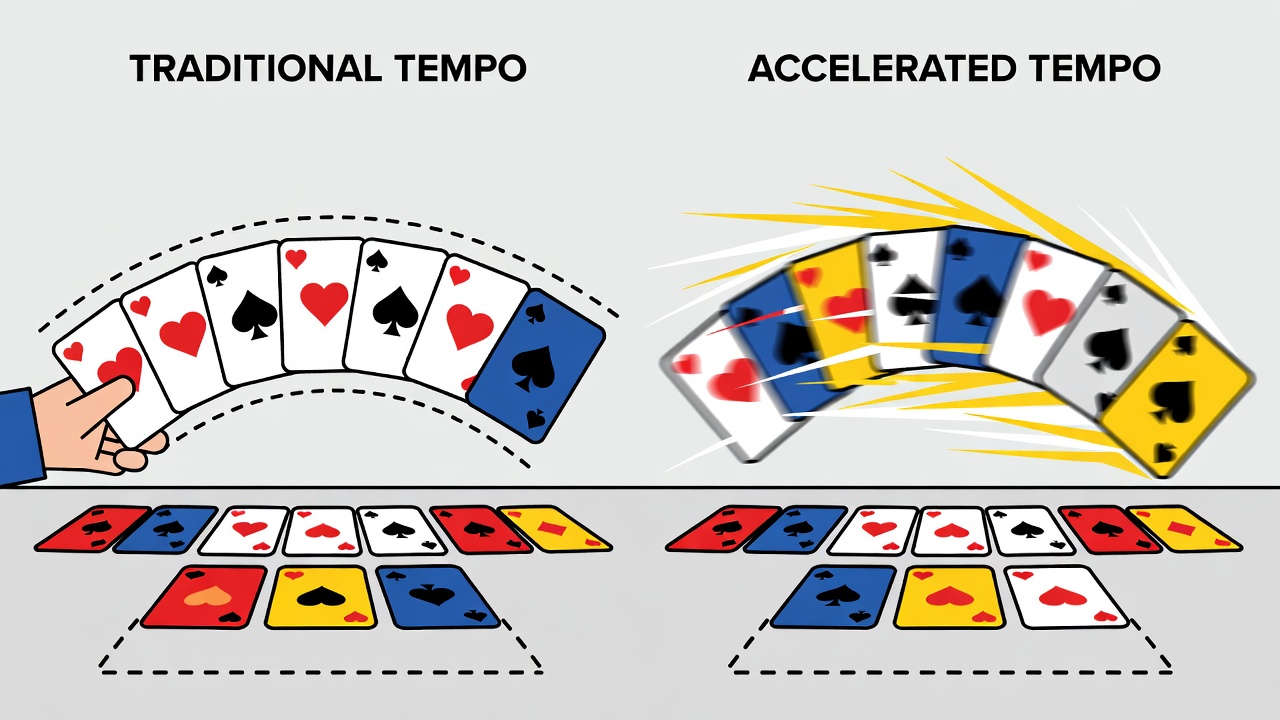
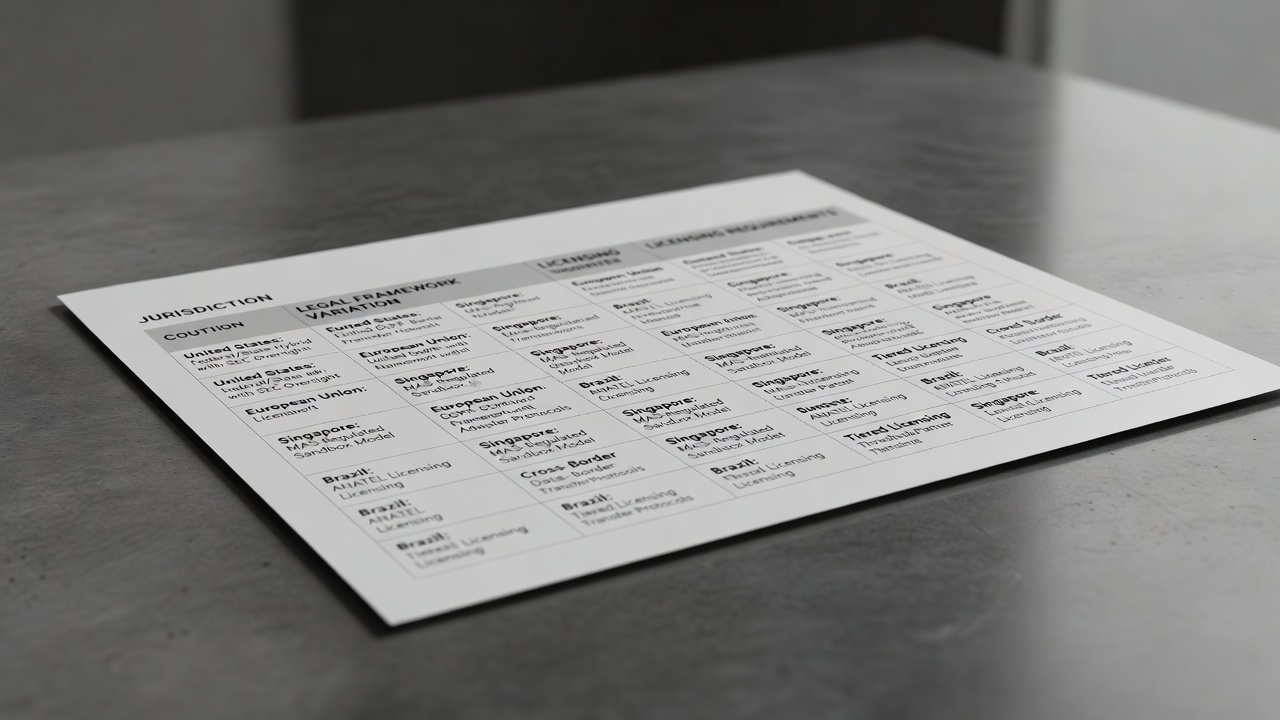
The card feels the same everywhere. Plastic, blue, glossy. The shuffle feels the same. The cut feels the same. But the rules under which I work change completely depending on where the table is set up.
In Macau, poker is tolerated but not celebrated. The government allows it in casinos licensed to offer games, but poker is always secondary to baccarat and slots. The licensing authority is the Gaming Inspection and Coordination Bureau. They require that operators hold a concession, which is essentially a lease. Concessionaires are heavily regulated, and poker is one item on their menu of offerings. A poker room needs approval. A poker tournament needs approval. If the government's mood changes, poker becomes less welcome.
The United Kingdom
The UK is different entirely. The Gambling Commission licenses poker operators. A company can apply for a license to run a poker room, either brick-and-mortar or online. The licensing is strict. Background checks on ownership. Detailed financial reporting. Anti-money-laundering compliance that is exhaustive. But once licensed, the operator has relative freedom. They can run cash games, tournaments, side games. The government trusts them to operate fairly because the oversight is continuous.
A poker player in the UK is protected by the regulatory framework. If you win money, you will be paid. If the house misbehaves, you have recourse. The licensing guarantees a minimum standard.
The United States
The US is fragmented. Poker is regulated state by state. Nevada allows poker in licensed casinos. New Jersey allows poker in licensed Atlantic City casinos. California allows poker in tribal casinos and card rooms, regulated by the state. Some states have online poker licenses.
This fragmentation means a player in one state has strong protections, while a player in a neighboring state might have none. The licensing is inconsistent. The rake structure is different. The tournament buy-in limits are different. A poker room that exists in Nevada and wants to expand to California needs completely different approval.
Online Poker Licensing
Online poker was decriminalized in some jurisdictions after the US lifted its ban. Europe largely allowed it. The license holders had to meet strict requirements: software audits, RNG testing, responsible gambling provisions. A player in the UK could access licensed online poker rooms with regulatory protection. A player in the US faced legal ambiguity depending on their state.
Licensing costs matter. A operator seeking a UK online poker license spends hundreds of thousands on the application, compliance, and ongoing audits. A jurisdiction that makes licensing too expensive has few operators. A jurisdiction that makes it cheap or easy has many, but lower quality. The balance varies.
Rake and Vigorish
Different jurisdictions allow different rake percentages. Some cap it at 5 percent. Others allow up to 10 percent. Some jurisdictions charge a flat fee instead of rake. The variation affects the profitability of a poker room and thus the games available. Higher rake means the game is less valuable to skilled players. Lower rake means more skilled players are willing to play.
Tournament Regulations
Tournaments are regulated differently from cash games. Some jurisdictions allow re-entry. Some do not. Some allow straddles. Some do not. These seem like small details, but they change the game dramatically. A tournament structure that allows one re-entry plays very differently from one that allows unlimited re-entries. The licensed operator must specify its rules upfront and stick to them.
International Comparisons
Poker in Malta is handled by the Malta Gaming Authority. The framework is permissive and attractive to operators, which is why many European online poker operators are licensed in Malta despite being based elsewhere. Poker in the Philippines is largely unregulated; operators license from the Philippine Offshore Gaming Operators (POGO), which is informal and subject to political pressure. Poker in Curaçao is licensed loosely and attracts some operators but is not considered gold-standard regulation.
The Player's Perspective
If you are playing in a jurisdiction with strong licensing (UK, Nevada, New Jersey, Malta), you have significant protection. If you are playing in an unlicensed jurisdiction, you have none. That is the practical difference. The government cannot guarantee your winnings will be paid. The operator has no incentive to treat you fairly. You are relying on the operator's reputation and your own judgment.
The licensing framework determines everything: what games are offered, what stakes are legal, how much rake is taken, whether tournaments can be held, what protections you have. It is the invisible infrastructure under the game. Most players never think about it. But it shapes everything you experience at the felt.