The casino floor operates as carefully calibrated space. Every carpet pattern, every sight line, every lighting level exists to keep players at the table longer. When New Jersey legalized online gambling in 2013, regulators faced an architectural problem: how do you translate the logic of the physical casino into code?
New Jersey chose a model that mimics the physical property in important ways. The state requires every online operator to partner with a brick-and-mortar casino. This is not accidental. It means Borgata Online must connect to the physical Borgata. DraftKings must work through a licensed casino partner. The digital space becomes an extension of the licensed property, not a separate entity.
The regulatory structure reflects this architectural choice. The New Jersey Division of Gaming Enforcement (DGE) treats online and land-based operations as extensions of each other. An operator cannot simply launch an app. They must hold a New Jersey casino license first. They must demonstrate that their digital offering enhances rather than cannibalizes their land property.
How the Architecture Actually Works
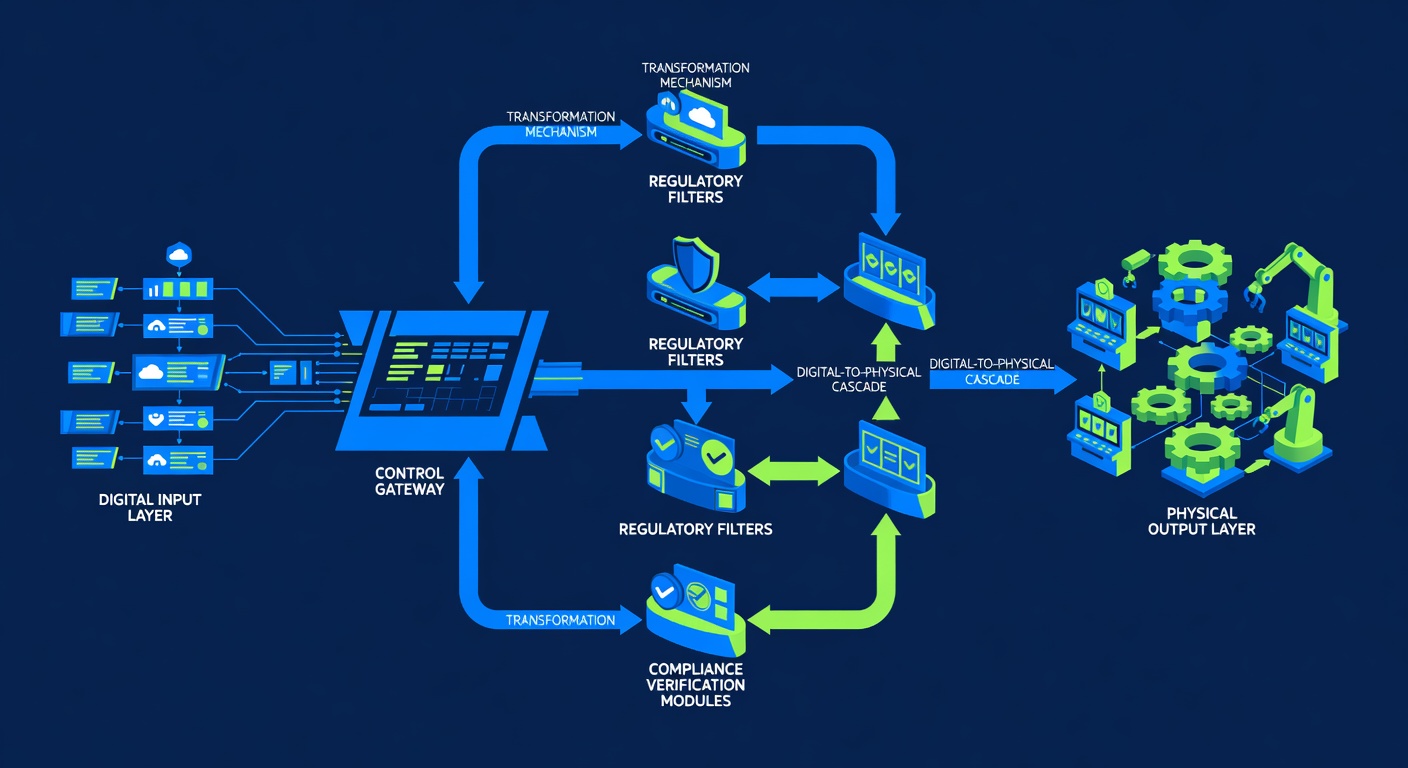
The New Jersey model involves three layers. First, there is the physical casino, which must maintain continuous operations. Second, there is the licensed operator, who holds both physical and digital permissions. Third, there is the player account, which exists in the state system and is subject to state-level verification.
What makes this architecture coherent is that it preserves the casino's control. In a traditional casino, the house controls the information. They know who is at the table, how much they have lost, when they appear to be chasing losses. The digital version preserves this. Every online player in New Jersey must provide identity verification at signup. The state runs this verification centrally. This means the regulator has the same information the house has.
Each operator maintains their own platform, but each connects to the state system. The state monitors aggregate play across all licensed operators. They can see when a single player has opened accounts at multiple sites. They can flag behavior patterns that suggest problem gambling. The architecture makes surveillance possible without requiring a single central database of all player accounts.
The sightlines matter less in digital space, but the principle is the same. New Jersey regulations specify how prominently responsible-gambling warnings appear on platforms. Operators must include reality-check features that remind players how long they have been playing. The digital equivalent of ceiling height and carpet pattern is user interface design: how much space does the cash-out button occupy relative to the play button?
New Jersey also requires that online operations meet the same technical standards as land casinos. Random number generators must be tested by the same labs that test physical casino equipment. Software must be approved by the state before launch. This creates architectural parity: whether the game runs on a machine in Atlantic City or on a server in a data center, the state has approved the mechanism that determines outcomes.
The Economic Logic
Why did New Jersey structure this differently than other states? The answer is local economics. Atlantic City in 2013 was struggling. The physical casinos were losing revenue. New Jersey saw online gambling as a way to revive the land casinos by bringing them customers who would never visit the boardwalk. But regulators were cautious about allowing online operators to exist entirely outside the physical casino structure. If you let DraftKings operate independently, they might undercut the casinos. They might offer better odds or faster payouts. The connection to a physical property creates continuity and ties the online operation to the existing casino's fate.
This architectural choice had consequences. New Jersey's online gambling market grew, but it remained smaller than markets in other states. Pennsylvania, which later chose a different model that allowed both casinos and sports books to operate more independently, eventually surpassed New Jersey in revenue. But New Jersey's regulator achieved what it intended: online gambling revived Atlantic City's casinos without destabilizing them.
The technical implementation shapes behavior. By requiring state-level identity verification, New Jersey made signup slower than offshore sites but faster than traditional casinos. By requiring operators to connect to licensed properties, the state ensured that every dollar in the system could be traced. This architectural choice made the market smaller but also made it safer from a regulatory standpoint.
Understanding this requires seeing the casino not as a building but as a system. The carpet patterns and ceiling heights are not arbitrary. They are design choices made to optimize for specific human behaviors. New Jersey's online gambling regulations work the same way. Every requirement exists to preserve the regulator's ability to see what is happening and the operator's ability to extract profit. The architecture is the argument.