Actually, so there's this thing that some people try. They deposit money at a casino. They lose it. Then they call their credit card company and claim fraud. They say they didn't authorize the deposit. Insane, right? But people actually do this.
So here's the crazy part: some casinos have insurance and procedures that actually deal with this. They expect chargebacks. It's built into their cost model. But it doesn't work the way players think it works.
You charge back a casino deposit. Your credit card company investigates. The casino provides your login history. They show that YOU logged in from YOUR IP address. They show your play history. They show your withdrawal requests. The evidence is overwhelming that you authorized the deposit.
The chargeback fails. Your credit card company sides with the casino. You owe the casino the full amount. They add penalties and fees. You're now down the original amount plus extra.
Why People Try It
People try it because they don't understand how casinos operate. They think a casino is like a sketchy online retailer where chargebacks might work. A casino is the opposite. Every action is logged. Every login is timestamped. Every bet is recorded.
A casino's entire business model depends on players not disputing transactions. If chargebacks were common, casinos would fail. So they build fraud prevention that's basically airtight.
The Actual Process
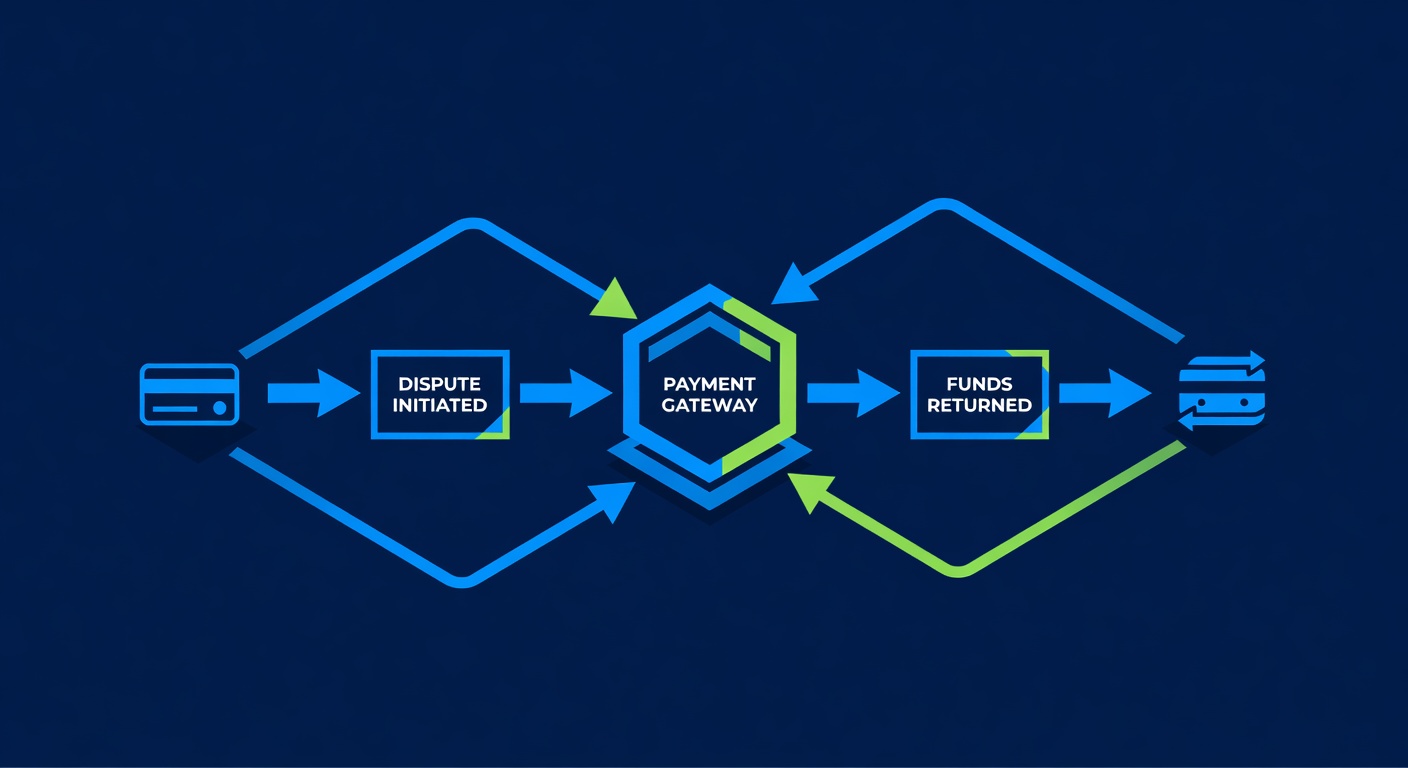
You deposit $500. You lose it over three hours. You call your credit card company and file a chargeback. The card company asks the casino to respond to the dispute. The casino sends:
Your login times Your bet history (showing 150 hands of blackjack) Your withdrawal request (showing you tried to cash out $50 before losing it all) Your account creation date and verification documents (they match your identity)
The card company looks at this and says: yep, you definitely authorized this. They deny the chargeback. They charge you a chargeback fee ($15-100). Your credit card issuer may also close your account or flag you as a fraudster.
The Regulation
Under MasterCard and Visa rules, merchants can dispute a chargeback if they have evidence of authorization. Casinos have ultimate evidence: logged-in access and performed actions. The chargeback almost always fails.
Under the Truth in Lending Act and the Fair Credit Billing Act, you can dispute a charge if the merchant didn't deliver. A casino delivered the game. You played it. The chargeback argument collapses.
Why Casinos Let People Try
Casinos actually don't mind when players attempt chargebacks. It weeds out problem players and generates fee income. A player who charges back is now flagged. They can't play at other regulated casinos (their account is marked). The player is no longer a revenue risk.
Unscrupulous casinos (the ones licensed in Curaçao with no real regulation) might not have strong chargeback processes. They might lose the dispute. But for licensed casinos, chargebacks are a non-issue.
The Real Risk
The risk for you: credit card fraud is taken seriously. If you're flagged for repeated chargebacks, your credit issuer might close your account. This affects your credit score. Future loans become harder. Your financial life gets complicated.
Lenders see someone with multiple chargeback disputes and think: this person is either dishonest or disorganized. Either way, they're risky. So they charge higher interest rates or deny credit entirely.
A chargeback over a gambling loss is not worth the long-term financial damage.
The Lesson
If you gamble and lose, that's your loss. You authorized the transaction. You played the game. The house won. The chargeback system is not a safety net for gambling losses. It's a consumer protection tool for actual fraud (someone stole your card, unauthorized transactions happened, goods weren't delivered).
If you can't afford to lose the money, don't deposit it. If you deposit it and lose it, accept the loss. Attempting a chargeback doesn't change anything except making your financial situation worse.