A player realizes they are gambling too much. It is 2am. They have been playing for six hours. They have lost $400. They decide they need a break. They access their account settings and activate a time-out.
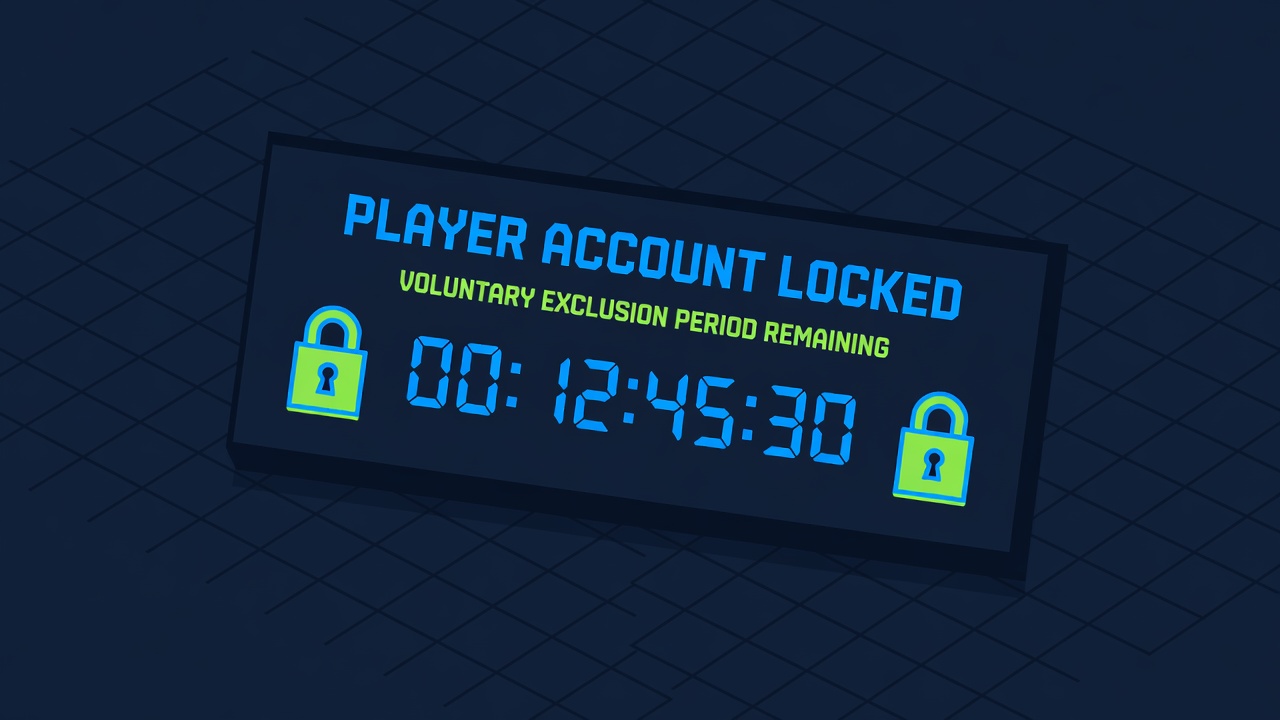
The casino asks: how long? 24 hours? 7 days? 30 days? The player selects 48 hours. The time-out activates. Their account is now locked. If they try to log in, they will be told their account is in time-out and cannot be accessed.
The purpose of the time-out is to create space between the compulsive moment and the gambling. It is to allow the player to step back, sleep, and return to a clearer state of mind.
How It Works
When a time-out is activated, the casino's system prevents login to that account for the duration. The prevention is technical: the login will fail if attempted during the time-out. The player cannot override this. They cannot log in and gamble immediately.
After the time-out expires, the account re-activates. The player can log in normally. The casino does not require any additional action.
Time-outs are different from self-exclusion. A self-exclusion is a longer-term voluntary ban (typically 6 months to several years) and requires a formal request to be reversed. A time-out is a temporary cooling-off period.
The Evidence
Research on time-out effectiveness is limited, but some studies suggest it has a modest protective effect. A player who activates a time-out is implicitly admitting they have a problem. This awareness is the first step toward control.
But the time-out is only as effective as the player's willingness to respect it. A player who can wait 48 hours is probably someone who does not have a severe problem (because someone with a severe problem would not be willing or able to wait). A player with a severe gambling addiction might not use the time-out at all. They might close one casino account and open another at a different casino.
The Regulatory Requirement
Time-out features are required by most gaming regulators. The UK Gambling Commission requires them. The Malta Gaming Authority requires them. The requirement is that time-outs must be available and must be easy to activate.
What is not required is that the casino proactively encourage their use. A casino can offer time-outs without promoting them. A player has to know they exist and actively request them. Most players do not.
The Activation Rate
Data from licensed casinos suggests that very few players activate time-outs. Estimates range from 0.5 percent to 2 percent. This suggests that either most players do not know the feature exists or most players are not willing to use it even when they have a problem.
When players do activate time-outs, they tend to be relatively short (24-72 hours) rather than longer (30+ days). A short time-out allows the player to return to gambling quickly.
The Strategic Use
A time-out can be useful in specific situations. A player has had a bad losing session and wants to prevent themselves from immediately rebetting the loss. A time-out of 48-72 hours creates a mandatory break. By the time the break is over, the player might be in a better mental state.
But for a player with chronic problem gambling, a time-out is insufficient. They need longer-term intervention, access to treatment, and possibly self-exclusion.
The time-out feature is an example of responsive gambling tools: tools that help players who are already motivated to reduce their gambling. They do not help players who are not motivated. They do not force behavioral change. They only provide structure for players who are asking for it.