
What's an RNG Anyway?
An RNG, which is what we call a random number generator (you know what I'm talking about?), is a machine. Or a piece of software. Either way, it generates numbers that are supposed to be random. No pattern. No bias. Just random outcomes, one after another.
Slots run on RNGs. So does online poker. Any casino game where the outcome is not determined by physical equipment (like a roulette wheel) uses an RNG. So when you play a slot machine at a casino or on your computer, the outcome comes from an RNG.
How Does a Casino Test an RNG?
Casinos do not test their own RNGs, obviously. That would be like asking a student to grade their own exam. The audit has to come from an outside firm. Third-party auditors. These firms have names like GLI (Gaming Labs International) or eCogra. They are independent. They have no interest in the casino. They just want to make sure the RNG is fair.
The auditor takes the RNG and runs millions of test simulations. They feed the machine random inputs. They collect the outputs. They run statistical tests on those outputs. They are checking for bias. Are certain numbers coming up more often? Is the pattern predictable? Does the RNG behave like a truly random process should?
The Statistical Tests
Here is where it gets technical, but stay with me. The auditor uses something called the chi-square test. You generate a bunch of random numbers. You count how many times each number appears. If the RNG is truly random, all numbers should appear roughly the same number of times. If some numbers appear significantly more often, the RNG is biased.
There is also the Kolmogorov-Smirnov test and the Diehard battery of tests. These are just names for mathematical procedures that check for different types of bias. The auditor runs the RNG through the full suite of tests. Only if it passes all of them do they certify it as fair.
How Long Does an Audit Take?
It depends on the complexity of the game and the depth of the audit. A slot machine audit might involve running 10 million spins and analyzing the results. That takes time. A thorough audit can take weeks or months. A quick compliance check might take days. Speed is not the goal. Accuracy is.
The Certification Document
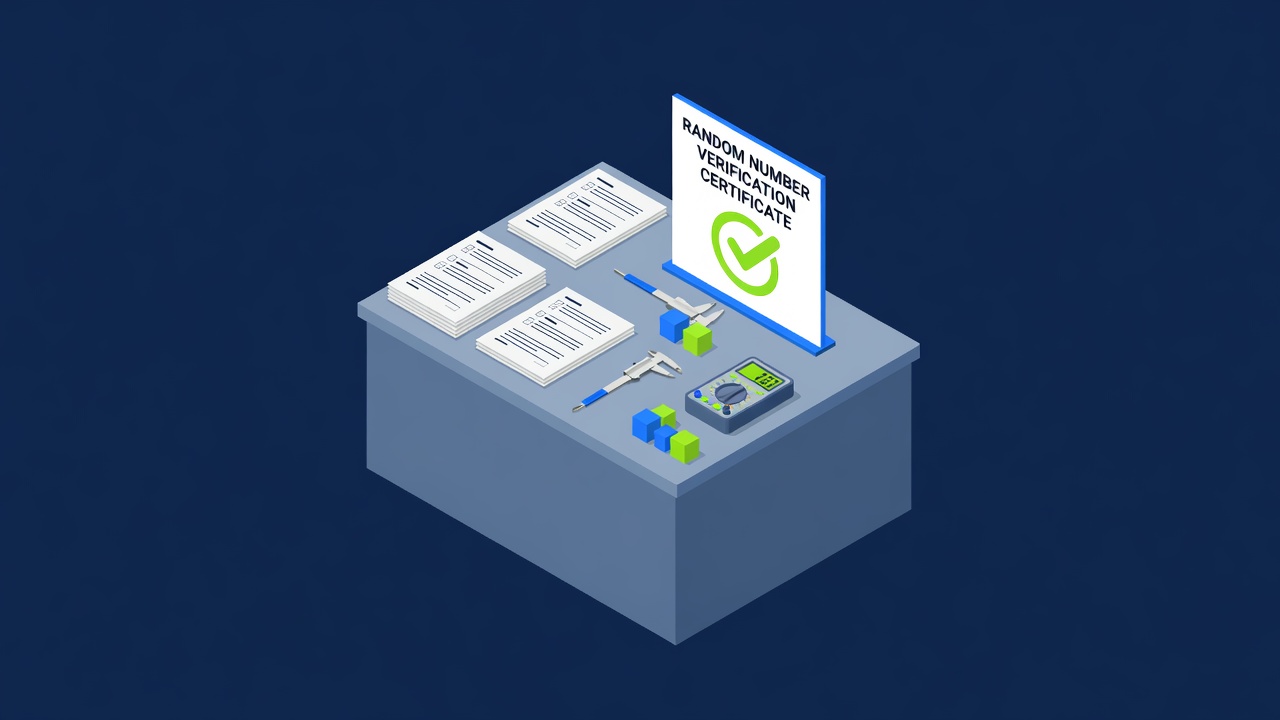
Once the audit is complete, the auditor issues a certificate. This certificate says: we have tested this RNG with these specific tests, over this time period, with this many simulations, and the results show that it is fair. The casino posts this certificate on its website or in its regulatory filings. It is proof that the game is not rigged.
Re-auditing
Most jurisdictions require re-auditing on a regular schedule. An RNG might be certified for one year, then the casino must re-audit it. The requirement is that casinos prove their RNGs are still fair. This is important because software can degrade, bugs can emerge, patches can introduce bias. Regular auditing catches these problems.
The Edge Case Problem
Here is the thing about RNG audits that people do not always understand: an audit proves the RNG is random. It does not prove the game is fair in the sense of: you can win money. A casino can have a perfectly fair, perfectly random RNG that gives the house a 5 percent edge. The randomness is certified. The unfairness is legal. The two are not contradictory.
Why You Should Care
You should care because an RNG audit is your assurance that the casino is not rigging the game in real-time to make you lose. The outcome is not predetermined. It is not being manipulated based on your account balance or your play history. It is genuinely random. That is what the audit proves. That is what matters.