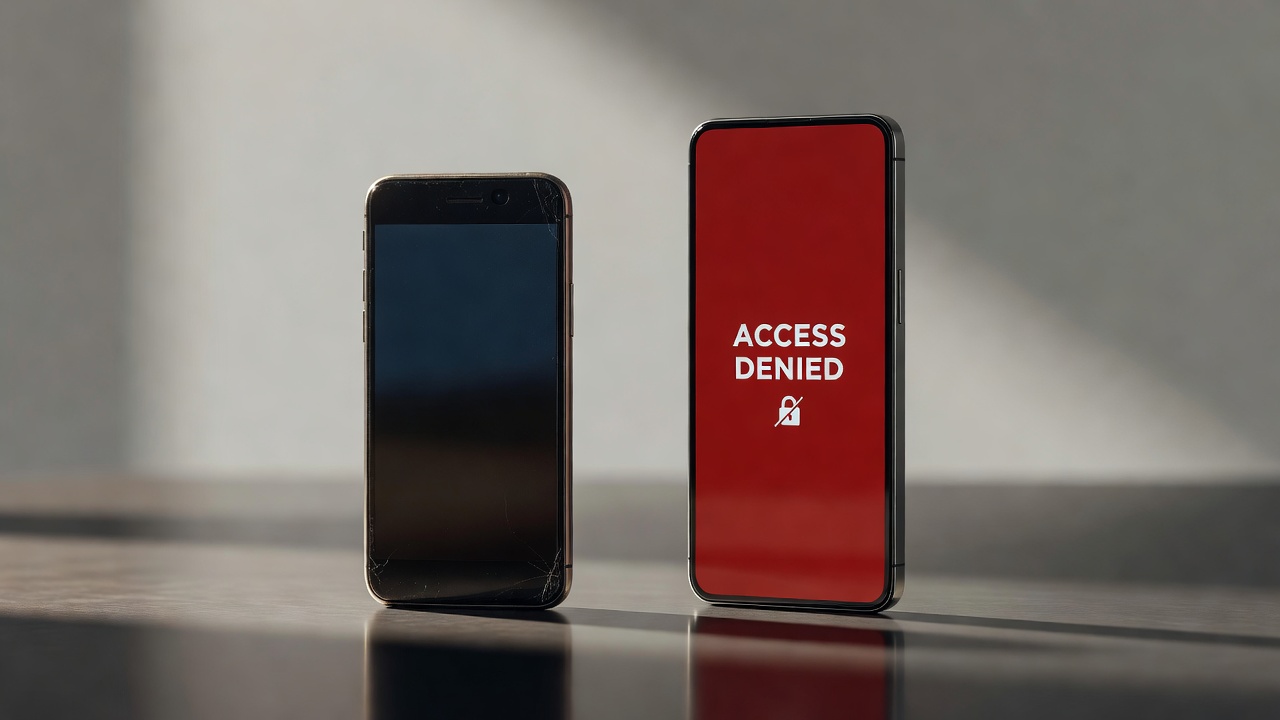
Many licensed gaming operators restrict casino game access on older mobile devices. This restriction requires explanation, as it appears to disadvantage certain player populations. However, the restriction reflects several compounding factors: regulatory requirements, technical limitations, and security concerns.
First, the regulatory dimension. Gaming regulators in major jurisdictions (the United Kingdom Gambling Commission, the Malta Gaming Authority, the Curacao eGaming licensing division) impose specific security standards on software platforms. These standards include encryption requirements (at minimum TLS 1.2), secure key storage, secure authentication protocols, and tamper-detection mechanisms. Older mobile operating systems (iOS versions below 10, Android versions below 5.0) do not support these encryption standards or cannot be guaranteed to support them consistently.
A licensed operator must therefore make a choice. They can either restrict the platform to devices that meet security standards, or they can implement workarounds that add cost and complexity to their operation. Most operators restrict access. From a regulatory standpoint, this is the safer position.
Second, the technical dimension. Older phones have limited processing power and limited memory. A modern casino application includes high-resolution graphics, real-time video (for live dealer games), streaming audio, and complex back-end connectivity. Older devices cannot handle this load. The application will crash. Payment processing will fail. Live streams will buffer.
When an application crashes during a financial transaction, regulatory problems follow. The operator must reconcile what the player saw (no transaction completed) with what the server saw (transaction initiated). If the operator cannot reconcile these states reliably, they are in violation. The regulator will flag this. A regulator's concern is player protection: did the player lose money due to a technical failure? Who bears that loss?
Security and Fraud Prevention
Third, security and fraud prevention. Older phones are running older versions of the operating system. The manufacturer has likely stopped issuing security patches. Vulnerabilities accumulate. A fraudster with a compromised older phone could potentially intercept communications, capture login credentials, or execute man-in-the-middle attacks.
A licensed operator is liable for fraud that occurs on their platform due to inadequate security measures. This liability extends beyond the direct fraud amount to regulatory fines and reputational damage. The operator therefore restricts access to devices with current operating systems and current security patches.
Fourth, KYC and AML compliance. Know Your Customer (KYC) and Anti-Money Laundering (AML) requirements mandate that operators verify player identity and monitor for suspicious activity. Modern phones and current operating systems enable stronger identity verification through biometric authentication, device fingerprinting, and location verification. Older phones lack these capabilities.
An operator conducting adequate KYC on an older phone can still do so, but with additional friction. They might require more document uploads, more verification steps, more manual review. This increases operational cost. Rather than absorb the cost, operators restrict access.
The Player Impact
The practical effect is that a player with an iPhone 5 or an Android device from 2012 cannot access the operator's platform. The operator does not explicitly say this. They simply require iOS 12 or Android 8. The player with an older device discovers the restriction at signup.
This creates equity concerns. Certain populations (lower-income players, rural players, players in developing markets) are more likely to use older devices. By restricting access, the operator is effectively restricting service to these populations. Regulators are increasingly aware of this.
Some jurisdictions are beginning to impose minimum-access standards. The UK Gambling Commission has made language suggesting that operators should not unnecessarily restrict access based on device age alone. This creates pressure on operators to support older devices while maintaining security and compliance standards.
The technical solution is not trivial. Supporting an older device means shipping code that runs cleanly on that device. It means testing on that device. It means maintaining compatibility as the operator updates their software. It increases the test matrix and the development cost.
Some operators are now attempting to bridge this gap through progressive web applications (PWAs) or mobile-responsive websites. These approaches reduce the device requirements because they run in the browser rather than as native applications. A browser on even an older phone can often run modern web standards.
In practice, however, most operators still require minimum device specs. They view it as the cleaner engineering solution and the lower-risk compliance position. The player with an older phone is expected to upgrade. This is arguably fair: if you want to use modern online services, your device should be reasonably modern. But it is a barrier nonetheless.