The Hollywood Narrative
In a classic Hollywood film, gambling has a arc. The protagonist is broke or desperate. They slip into a casino. The cameras linger on their face as the roulette wheel spins. Tension builds. The ball lands. They win big. Now they are flush with cash and can solve whatever problem the movie introduced.
Alternatively, they lose. The loss is cinematic. The ante goes up. Their watch, their car, their pride is on the table. A final hand. They lose. They leave defeated. That defeat becomes the catalyst for their redemption arc.
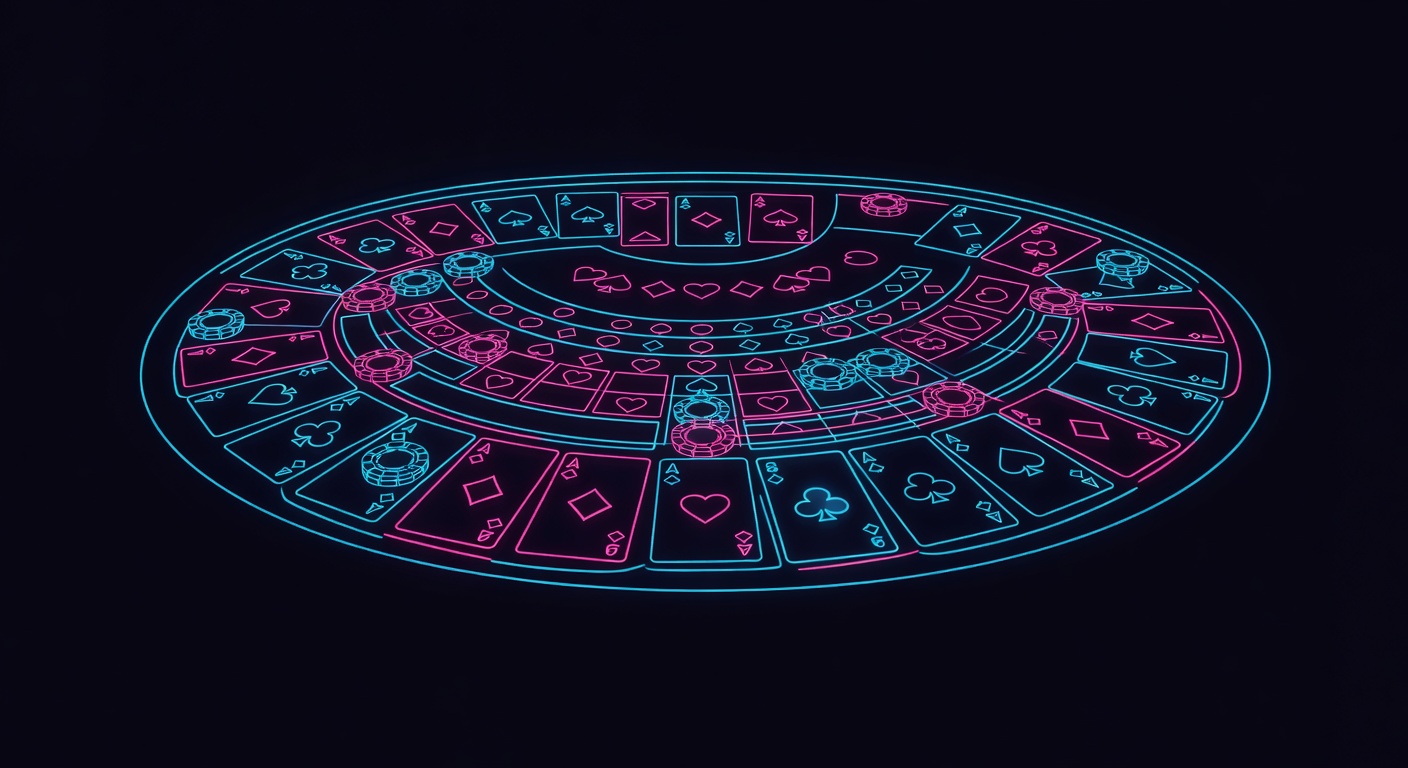
The gambling sequences in these films are designed to be visually exciting. The croupier's hands move with precision. Chips slide across the felt. The wheel spins. The lights flash. Gambling is presented as an experience, not as a system.
What Hollywood Gets Right
The tension is real. Gambling does create emotional tension. Money is at stake. The outcome is uncertain. That uncertainty drives engagement. A casino is a place where anything can happen next, and Hollywood captures that sensation accurately.
The visual presentation of gambling is genuine. A roulette wheel does look the way it looks in the films. A blackjack table is laid out exactly as shown. The chips are real. The dealers move with practiced precision. Hollywood got the aesthetic right.
What Hollywood Gets Wrong
Hollywood collapses the time scale. A card session that would actually take six hours is compressed into three minutes of screen time. A slot machine that would require days of play to develop a meaningful win or loss is shown as a single pull. The passage of time is eliminated.
Hollywood also reverses the odds. In the films, the skilled player or the lucky protagonist wins. The house loses. In reality, the house wins by design. The math favors the casino. A skilled player can have a small edge over other players (in games like poker), but the house itself makes money from the vig, the rake, the edge in the game rules.
Hollywood presents gambling as a path to solvency. The protagonist gambles, wins, and becomes rich. In real casinos, most people who gamble lose money. The people who win big are statistically rare.
The Appeal of the Narrative
The Hollywood narrative is appealing precisely because it is false. It presents gambling as a solution. In the film, gambling fixes the protagonist's problem. In real life, gambling usually creates more problems.
This narrative is powerful because it aligns with human psychology. People want to believe that luck is on their side, that a single big bet can change their life, that winning is possible. Hollywood sells that belief beautifully.
The Broader Cultural Impact
Classic Hollywood's depiction of gambling has influenced how people perceive casinos and gambling. When someone says "gambling is exciting," they are partially referencing the Hollywood narrative. When someone believes they can win big, they are echoing the film's message.
This is not necessarily harmful. Entertainment is aspirational. But when the Hollywood narrative becomes the model for real decision-making, it becomes dangerous. People make real bets based on the false belief that the cinematic narrative mirrors reality.
Real Gambling vs. Cinematic Gambling
Real gambling is often boring. You play the same game for hours. The swings are small. Winning feels nice but anticlimactic. Losing feels bad but is not visually dramatic. The experience does not photograph well.
Cinematic gambling is compressed, heightened, and designed for emotional impact. Every hand matters. Every spin is a moment of truth. The experience is built for drama.
Most people prefer the cinematic version. Which is why people go to casinos. They are seeking the Hollywood experience. The casino industry understands this and designs their environments to be as cinematic as possible: flashing lights, dramatic music, visual spectacle.