The Verification Process
An online blackjack game is software. The software is tested by independent auditors. The auditors run millions of simulated hands and verify that the payout percentages match the promised RTP (return to player).
A blackjack game promised at 99.5 percent RTP must pay out 99.5 percent of wagers over a large sample. The auditors run 10 million hands using perfect basic strategy and calculate the actual payout percentage. If it is within acceptable deviation from 99.5 percent, the game passes.
The Audit Certificate
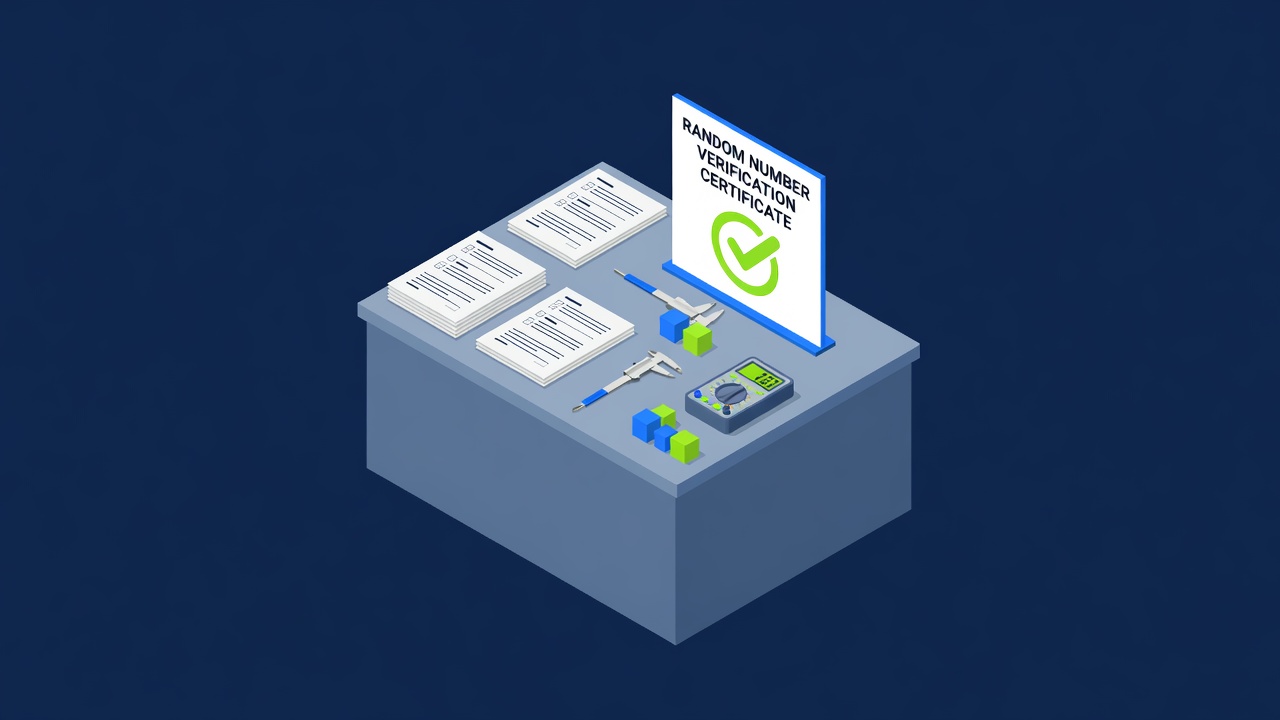
Once the game passes, the auditor issues a certificate. This certificate is posted on the casino's website. It certifies that the game has been tested and is fair.
The certificate includes details: the audit date, the auditor, the game tested, the RTP verified, the sample size used, the testing period, and the conclusion.
A casual player glancing at the certificate might think: OK, the game is verified. A careful player reads the details and understands that the verification is past-tense. The game was fair when audited. Was it modified afterward?
Ongoing Monitoring
Licensed casinos are subject to ongoing monitoring. The regulator (Gaming Commission, Gaming Board, etc.) checks that the games have been audited and that payouts are documented.
Some casinos are required to re-audit annually. Some are required every three years. The frequency depends on jurisdiction and license terms.
The Math
Online blackjack payouts are determined by the game code. The code implements specific rules: hit on 16 or less, stand on 17 or more, etc. The payout is applied when a hand resolves.
The auditor verifies that the code matches the rules stated. If the rules say "blackjack pays 3:2," the auditor verifies that the code applies a 3:2 payout when blackjack occurs.
The RNG
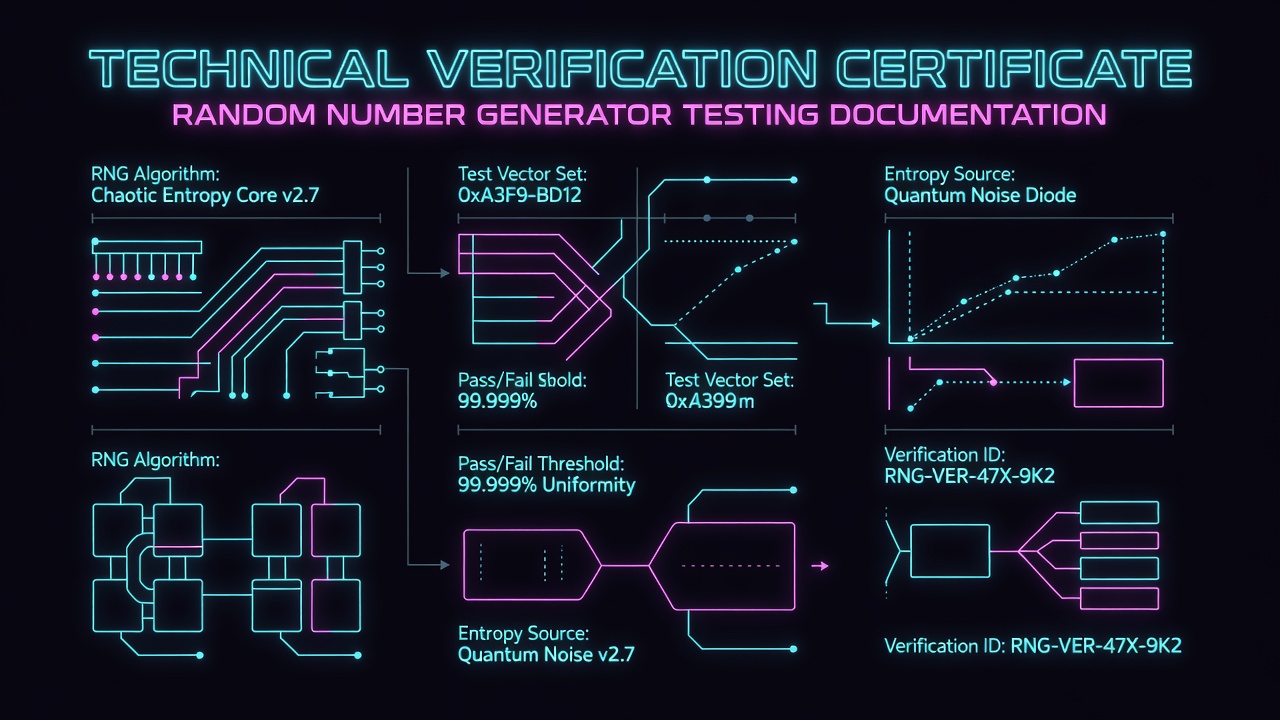
The random number generator is part of the verification. The auditor confirms that the RNG produces random outputs. A biased RNG could systematically produce outcomes favoring the house.
The RNG is tested using statistical tests (chi-square, Kolmogorov-Smirnov, etc.). These tests look for patterns. A truly random RNG shows no patterns.
The Database
Once a game is audited and deployed, all hands are recorded in a database. The casino can pull reports showing:
- Total hands played
- Total amounts wagered
- Total payouts
- Calculated RTP
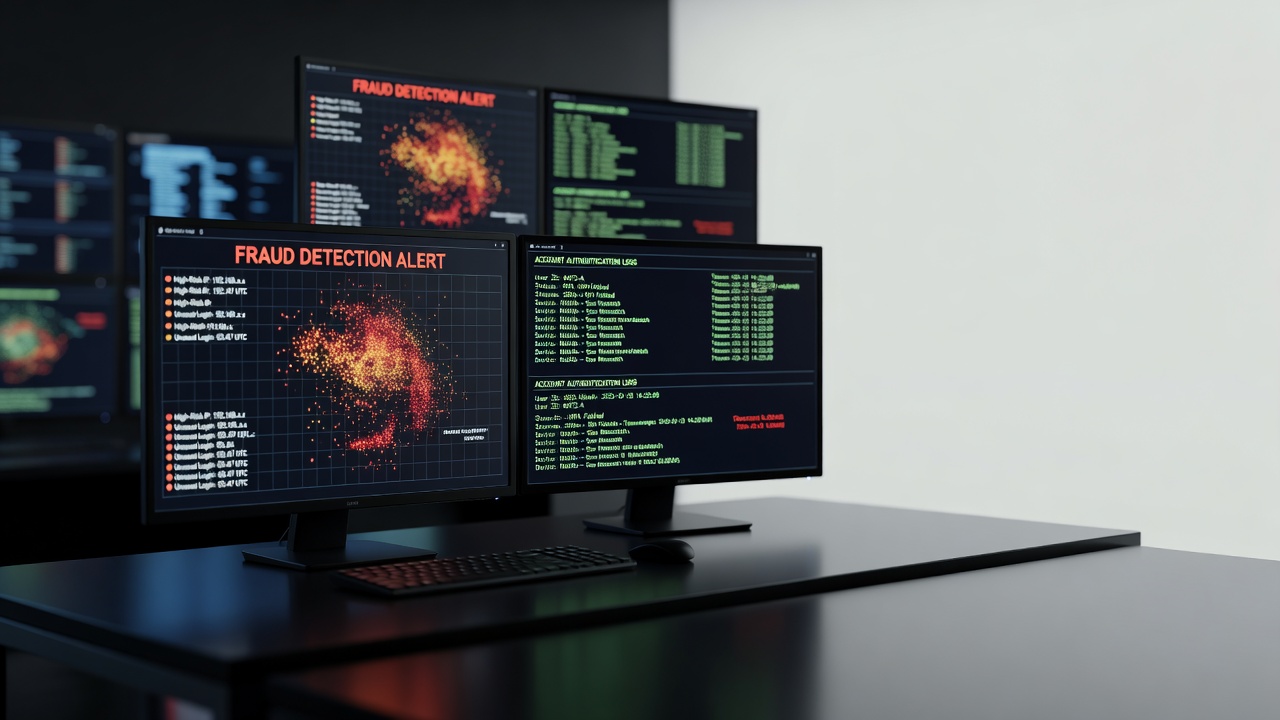
If the regulator suspects fraud, they can audit the database. They can verify that the actual payouts match the promised RTP. A massive discrepancy would indicate cheating.
Potential Weaknesses
The audit is a point-in-time verification. A casino could theoretically modify code after audit but before deployment. A casino could have two versions of code: one for auditors, one for players.
Licensed casinos have enforcement mechanisms that make this risky. If discovered, license revocation and prosecution follow. Most casinos will not take that risk.
Unlicensed casinos operate outside this framework. They can deploy modified code without consequence (unless they face legal action).
Trust and Verification
You can verify that licensed online blackjack is fair by checking: is the casino licensed? What auditor certified it? When was the last audit? Who is the regulator? Can you access the audit report?
A licensed casino with recent audits from reputable auditors (GLI, eCogra, TST, Deloitte) is trustworthy. An unlicensed casino with no audit history is a risk.