When a player converts fiat currency into cryptocurrency to gamble online, something interesting happens from an economic standpoint. They are not making a bet in the colloquial sense. They are making a trade. The trader is purchasing something: access to unregulated markets, reduced friction in deposits and withdrawals, tax ambiguity, and the subjective premium of instant settlement.
The Mechanism of On-Ramps
The typical fiat-to-crypto pathway looks like this. A player visits a cryptocurrency exchange (Kraken, Coinbase, Bitstamp). They complete know-your-customer procedures. They link a bank account or debit card. They convert dollars or euros into Bitcoin, Ethereum, or stablecoins like USDC. They then transfer those coins to a non-custodial wallet or directly to the casino's deposit address.
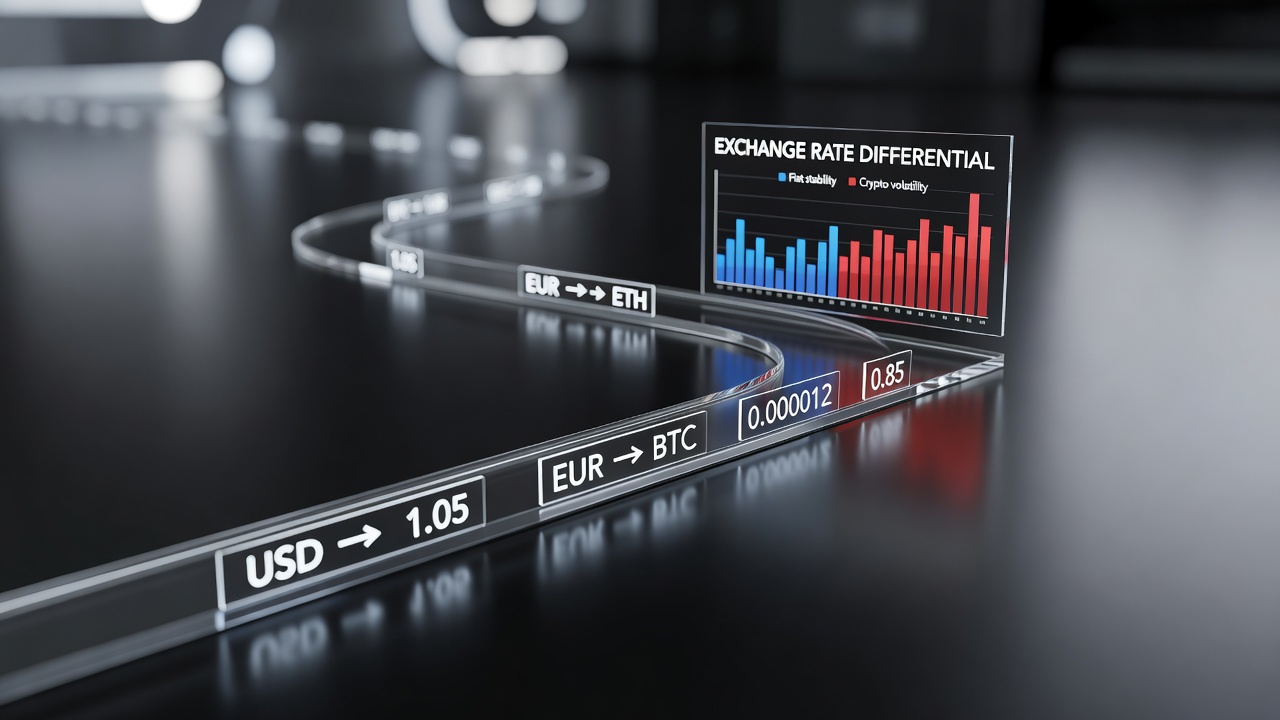
The cost structure of this process matters. A player pays exchange fees (usually 0.5% to 2%), network transaction fees (on-chain settlement costs ranging from 1 to 50 dollars depending on blockchain congestion), and the spread between bid-ask prices. On a 5,000 dollar transaction, these costs total roughly 100 to 200 dollars.
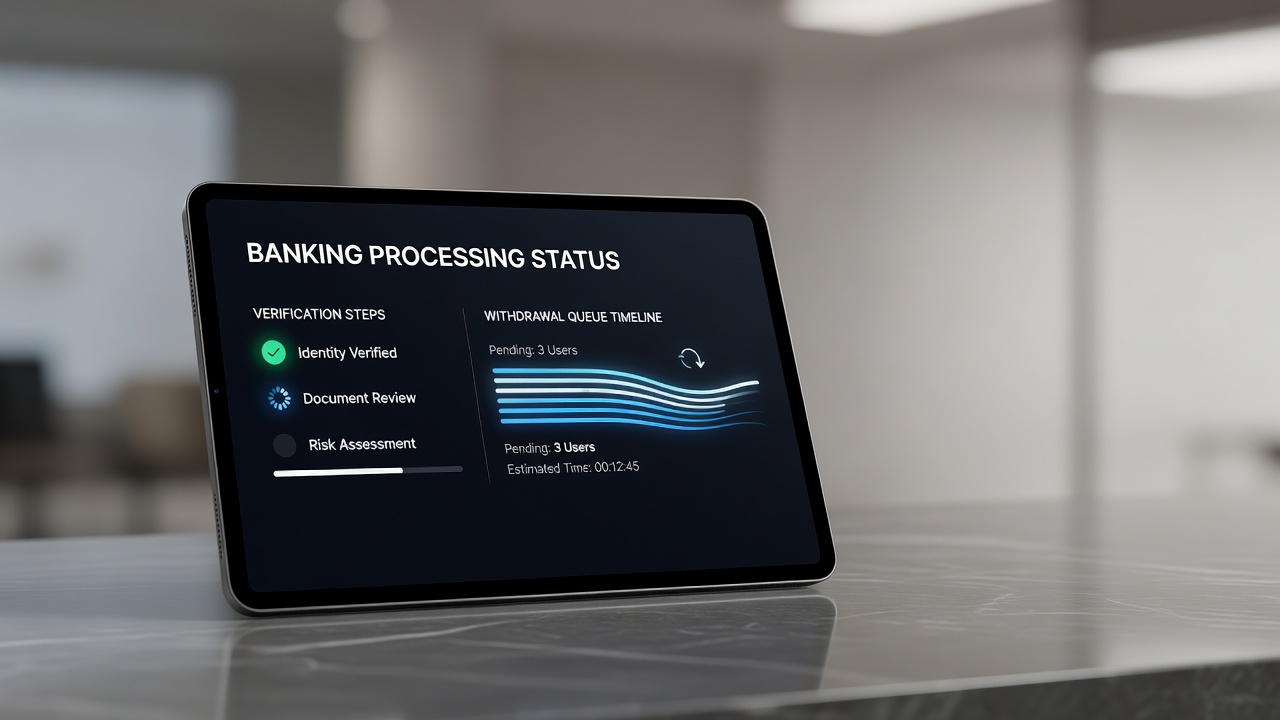
Why would a rational player incur this cost? The answer reveals what they are actually purchasing. Fiat deposits into MGA or UKGC-licensed operators face regulatory limits. Withdrawal times stretch from hours to days. The operator holds custody. Crypto deposits, by contrast, settle in minutes. The player, in theory, retains non-custodial control. The operator cannot freeze the account on government pressure. Chargebacks become impossible.
Subjective Valuation and Time Preference
Austrian economics teaches that value is subjective. A player's willingness to pay 1 to 3% in fees to access crypto casinos reveals something about their discount rate. They are willing to trade present certainty (the known friction of fiat banking) for future optionality (potentially faster withdrawals, jurisdictional arbitrage).
There is also the question of what economists call "the numeraire problem." A player holding Bitcoin is, in effect, expressing a marginal time preference distinct from fiat holders. If that player then gambles in Bitcoin, they are making bets in a currency they have already chosen to hold. The house edge is now denominated in an asset they regard as more attractive than the alternative.
The Cost of Access
Smaller exchanges and non-custodial ramps (Uniswap, 1inch) offer cheaper pathways but require technical literacy. A player must understand gas fees, slippage, liquidity pools, and wallet management. The barriers are real. A player who cannot navigate these costs their time instead of their money.
Regulated exchanges offer user-friendly interfaces but higher costs and regulatory exposure. A player using Kraken is leaving a data trail. Authorities in the EU, UK, and US are increasingly tracking these transactions. Gambling addiction researchers have flagged the speed of crypto transactions as a harm-amplification mechanism. The frictionless deposit enables the rapid loss cycle.
Arbitrage and Regulatory Distance
Casinos themselves use on-ramps strategically. Operators licensed in Curaçao or without clear jurisdiction incentivize crypto deposits by offering better bonuses or lower withdrawal minimums. This is regulatory arbitrage. The operator is exploiting the gap between the jurisdiction where they operate and the player's home jurisdiction.
A player using crypto has fewer consumer protections. If the operator disappears or experiences a technical failure, there is no chargeback mechanism. There is no deposit insurance. This is the trade. Frictionless access in exchange for reduced institutional protection.
Conclusion Without Recapitulation
The question worth asking is not whether fiat-to-crypto on-ramps are good or bad. The Austrian framework suggests something more precise. These pathways reveal what individual players value at the margin. They are bidding the cost of friction for speed and optionality. Understanding this trade tells us something more honest than marketing promises ever could.