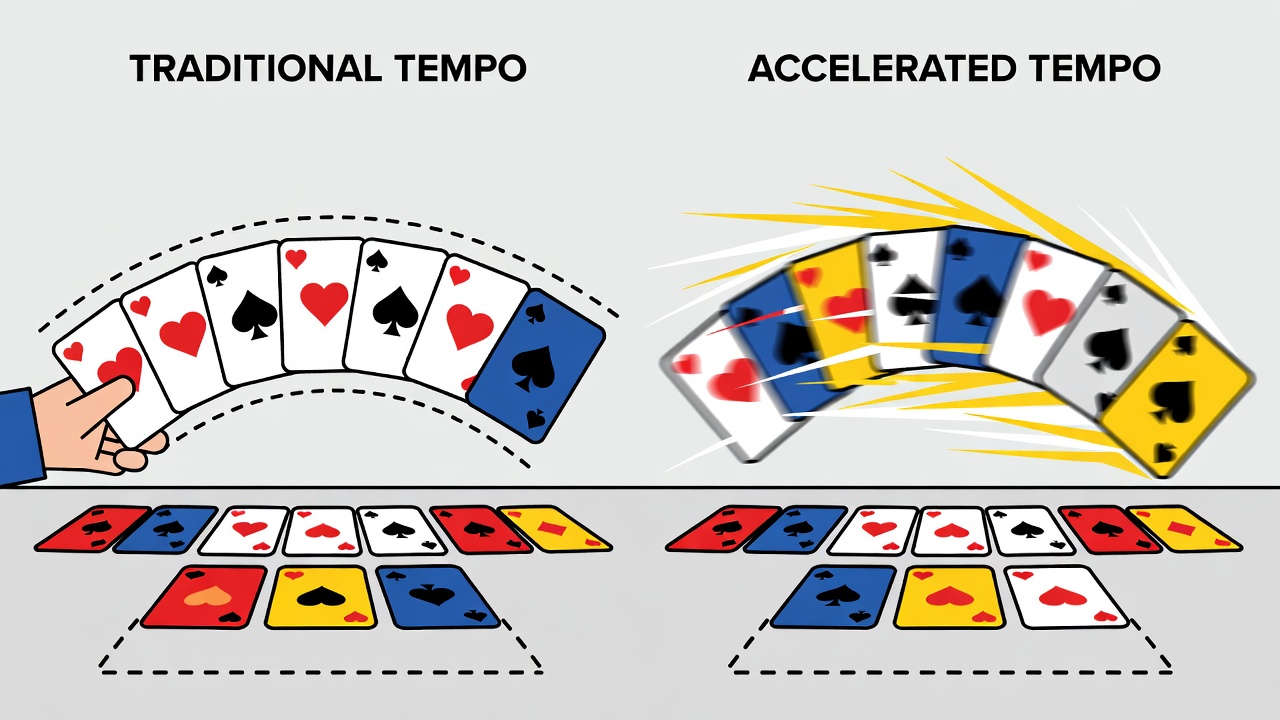

Buy bonus features are an innovation of the last decade. The idea is simple: most modern slot games have bonus rounds that trigger infrequently. A buy feature lets you pay a multiple of your bet to trigger the bonus immediately instead of waiting for it to appear randomly. A game with a bonus that occurs once every 250 spins might let you buy the bonus for 100 times your bet.
The math is designed such that buying the bonus is slightly worse than earning it naturally across a large sample. A bonus that costs 100 times your bet to buy is valued by the game designer at approximately 100 times your bet in expected value. If you bought every bonus for the rest of your life, you would lose money at a slightly higher rate than if you just played normally. But across finite sessions, buy features create an option value.
For a recreational player with a fixed session budget, buy features offer a choice. You can play one thousand spins of base game hoping the bonus lands, or you can stretch your budget to allow for buying the bonus when you want the action. The buy feature trades expected value for a reduction in variance. You are guaranteeing the excitement of the bonus at the cost of slightly worse long-term odds.
For a player chasing a specific outcome, buy features can be irrational. If you are down significantly and chasing losses, buying bonuses accelerates your losses. If you are ahead and want to solidify a win, buying bonuses introduces additional variance that might flip your position negative.
The casual player's intuition is often correct: buy features are slightly worse mathematically, but they offer something psychologically valuable. They reduce the frustration of not hitting the bonus. They create certainty in an otherwise uncertain game. For someone with disposable income and limited time, the premium might be worth the peace of mind.
Key Considerations
The fundamental principle behind this topic involves understanding several interconnected factors. Each plays a distinct role in the overall picture. First, you must grasp the mechanism. Second, you need to recognize how it applies to your specific situation. Third, you should understand the exceptions and edge cases.
- The first consideration involves mechanics: how the system actually works
- The second involves application: how to apply knowledge to your situation
- The third involves exceptions: when normal rules do not apply
Different perspectives exist on this topic. Some emphasize one aspect more than others. The most complete understanding comes from considering multiple viewpoints and recognizing what each reveals about the underlying truth.
The practical wisdom here is that understanding requires both mechanics and experience. You can read about something theoretically, but real understanding comes from engagement with it.
Therefore, when you encounter this topic in practice, remember to think systematically about what is happening and why. The details matter. The structure matters. The exceptions matter. Approach it with the rigor it deserves.
The broader context here is important. This topic does not exist in isolation. It connects to other concepts and practices in meaningful ways. Understanding those connections deepens your comprehension significantly.
Practical Application
When you actually encounter this in the real world, remember the mechanisms we discussed. Apply them systematically. Avoid the common mistakes that trap most people. The mistakes are usually one of three types: misunderstanding the mechanics, misapplying the concepts to the wrong situation, or failing to recognize exceptions.
The path forward involves commitment to understanding. You cannot passively absorb this information. You must actively engage with it, test it against your experience, and integrate it into your actual practice. That commitment is what separates understanding from mere knowledge.