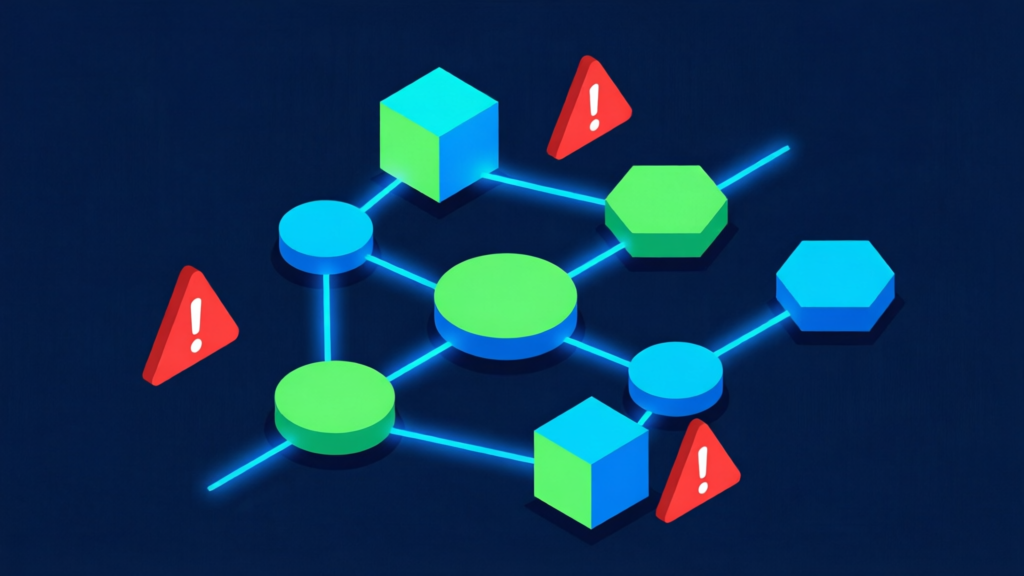
State actors pushed on-chain malware activity up 420% in recent weeks.
North Korea and Iran linked campaigns
Chainalysis data flags a sharp rise in malware tied to North Korea and Iran. The surge hits wallet infrastructure that prediction markets and on-chain betting desks also rely on for liquidity routing.
S&P Global buys OpenZeppelin
S&P Global closed a deal for OpenZeppelin. The move brings traditional financial data deeper into smart-contract auditing, yet leaves open how quickly those standards will reach smaller prediction-market protocols.
SEC opens door for tokenized stocks
The SEC issued a temporary exemption for tokenized US stock trading. Early flows could test Polygon bridges and DEX venues already used by crypto gambling liquidity, though volumes remain unproven.
Blockstream keeps L-BTC peg shut
Blockstream refused hacker demands and left the L-BTC peg-out disabled. Wrapped-asset frictions like this reduce options for cross-chain casino operators seeking stable collateral.
Kraken parent plans on-chain perps
Payward, Kraken’s parent, announced plans for US on-chain perpetuals. New venues may compete for the same Polygon liquidity that currently supports prediction-market volume.
One-line analyst reads
- Malware growth raises custody risk for any protocol holding user funds on shared chains.
- S&P’s entry signals institutional comfort with code audits but does not guarantee better on-chain casino tooling.
- Tokenized-stock pilots could pull liquidity away from pure crypto venues if settlement feels safer.
- Disabled pegs remind operators that wrapped assets carry single-point failure risk.
- New perps platforms will chase the same stablecoin pairs already moving through Polygon DEXes.