Double ball roulette represents a curious marriage of tradition and novelty. Pragmatic Play introduced it in 2015, and it has since become a fixture at online casinos and, more recently, at a handful of physical tables worldwide. The proposition sounds simple: instead of one ball, the wheel receives two. The payouts and structural logic follow from this single change. Yet understanding why anyone would choose to play this variant requires wrestling with probability, volatility, and the particular psychology of games designed to feel new without being fundamentally different.
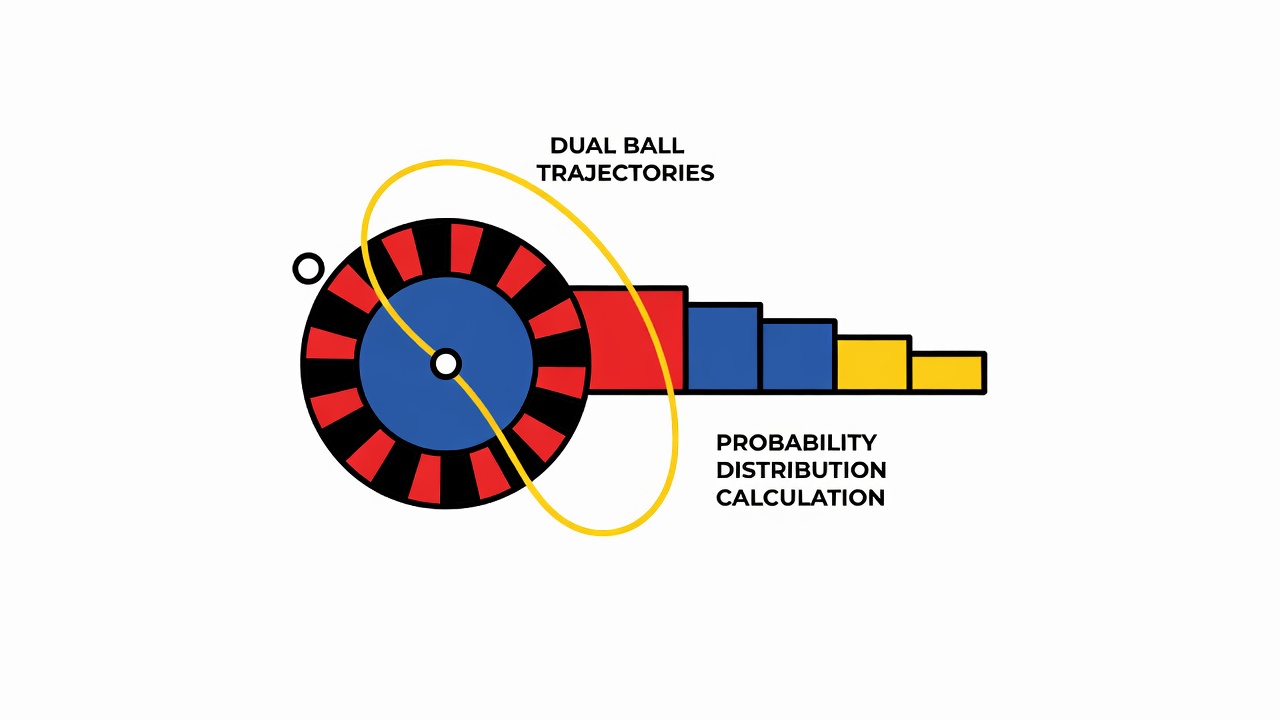
The format of a standard European roulette wheel is familiar: thirty-seven pockets numbered zero through thirty-six. Double ball roulette uses the same wheel, but both balls must land in different pockets. If they land in the same pocket, the round is void and stakes are returned. This constraint immediately shapes the odds.
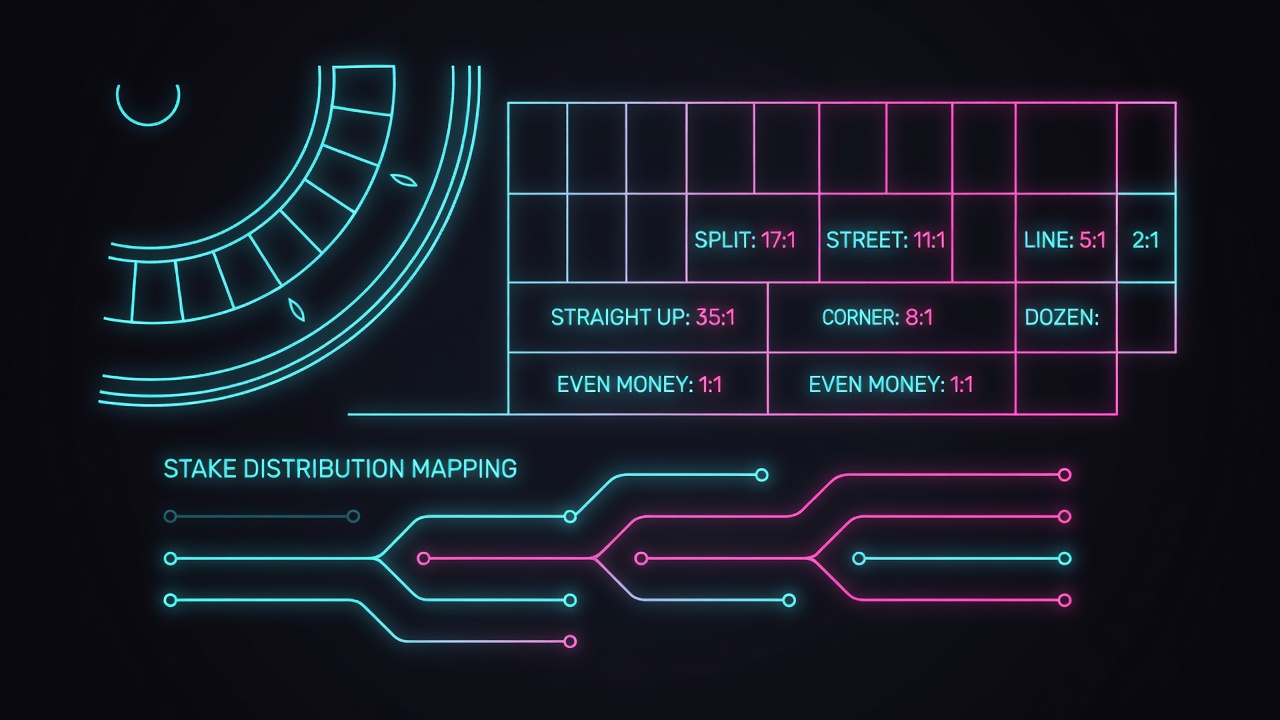
The mathematics yield particular outcomes. On a single-number bet, your odds of winning improve compared to standard roulette. In standard roulette, a single-number bet pays 35 to 1 and wins with probability 1/37. In double ball roulette, two independent balls each have a 1/37 chance of landing in your chosen pocket. The probability of at least one ball landing there is roughly 1/19, not quite double but meaningfully better. The payout, however, remains 35 to 1. This is precisely where the house advantage emerges.
The variant introduces several betting types that do not exist in standard roulette. You can back a dozen or a column as usual. You can back a split, a corner, or a line. But you can also make bets that specifically require both balls to land within a defined region, or bets that pay extra if they do. Some casinos offer a "double chance" option where both balls must land within a pair of dozens to win at enhanced odds. This creates a superficial appearance of choice where the underlying mathematics heavily favour the house across the entire betting menu.
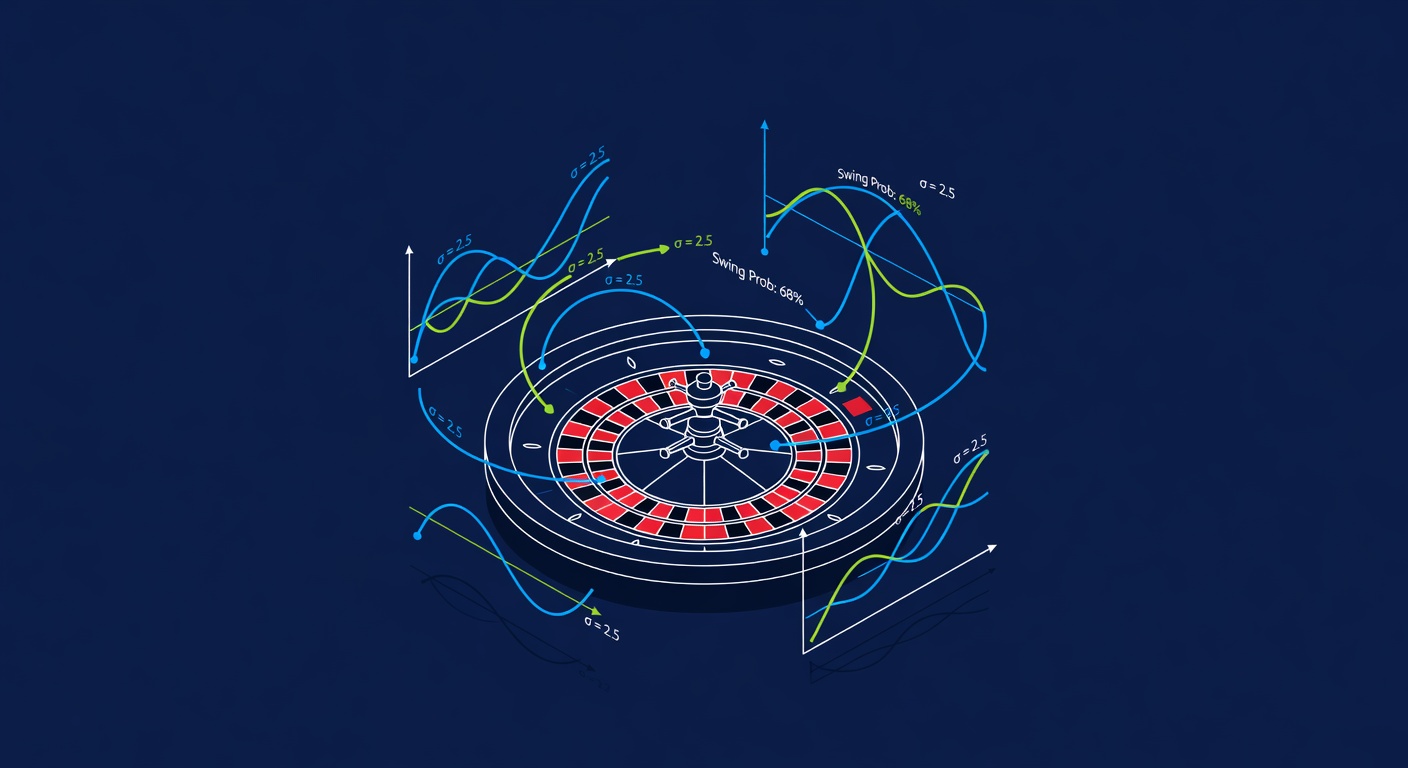
What explains the appeal? Volatility and speed. Double ball roulette spins faster than standard roulette. Two outcomes per spin increase variance. For players chasing the feeling of action, more events per hour translates into more emotional content. The payouts are not materially different from European roulette when computed across large samples, but the moment-to-moment experience is heightened.
The British gaming press has treated double ball roulette with appropriate scepticism. It is not a bridge toward advantage play. It is not a path to superior odds. What it is, quite plainly, is a format designed to increase the volume of action and player engagement. That is not inherently disreputable, but it is worth naming. Anyone playing double ball roulette should understand that they are not gaining an edge; they are paying for faster gameplay.
Key Considerations
The fundamental principle behind this topic involves understanding several interconnected factors. Each plays a distinct role in the overall picture. First, you must grasp the mechanism. Second, you need to recognize how it applies to your specific situation. Third, you should understand the exceptions and edge cases.
- The first consideration involves mechanics: how the system actually works
- The second involves application: how to apply knowledge to your situation
- The third involves exceptions: when normal rules do not apply
Different perspectives exist on this topic. Some emphasize one aspect more than others. The most complete understanding comes from considering multiple viewpoints and recognizing what each reveals about the underlying truth.
The practical wisdom here is that understanding requires both mechanics and experience. You can read about something theoretically, but real understanding comes from engagement with it.
Therefore, when you encounter this topic in practice, remember to think systematically about what is happening and why. The details matter. The structure matters. The exceptions matter. Approach it with the rigor it deserves.