The Retention Hook
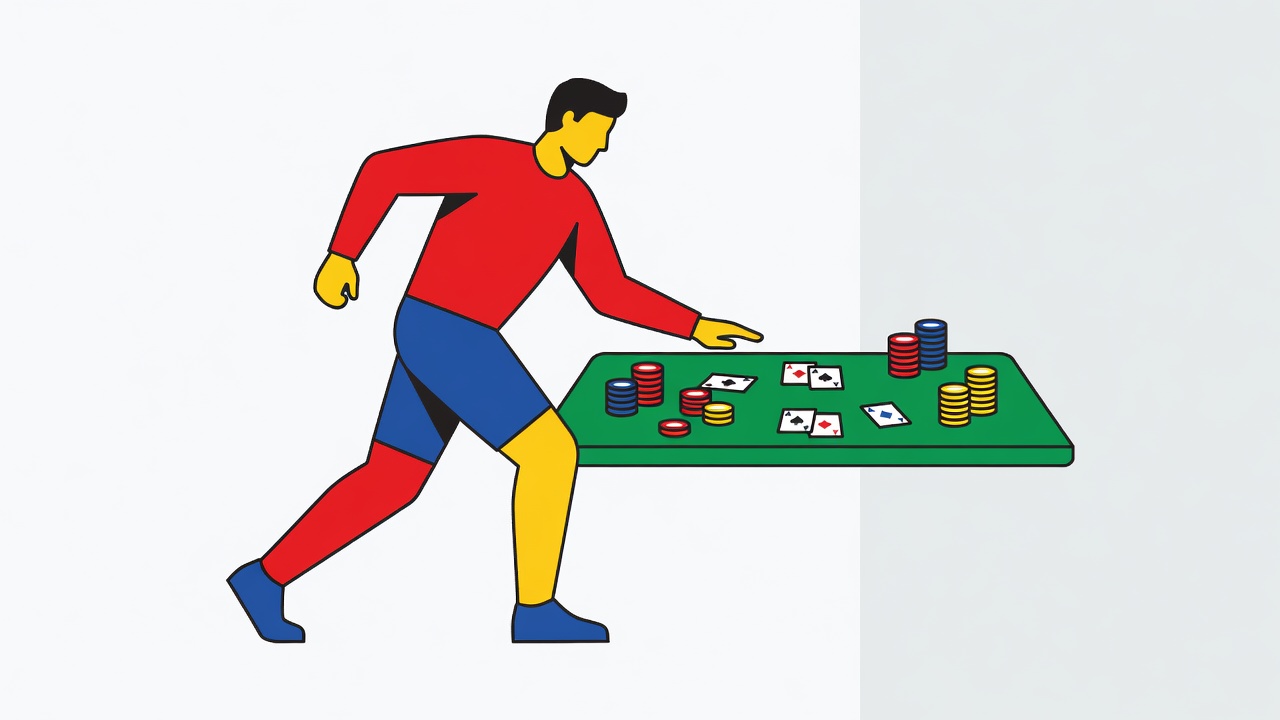
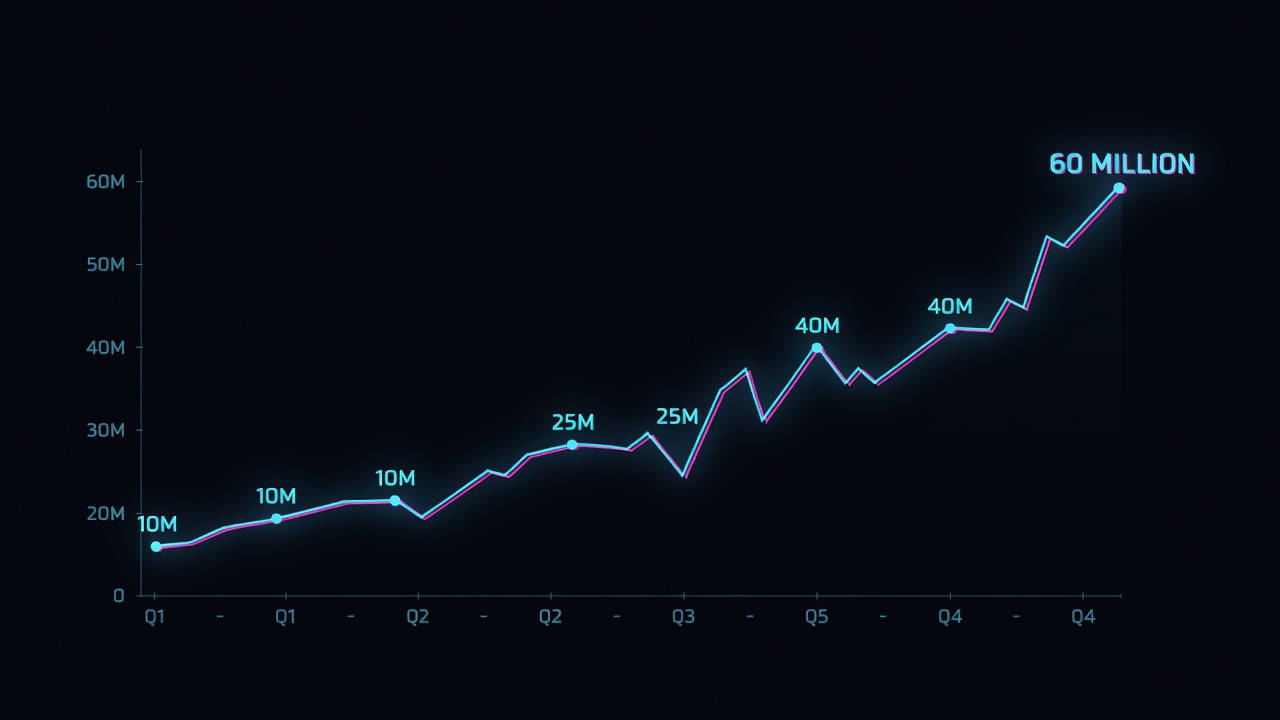
Bryn Kenney made $59.6 million playing poker. That number invites the question: what is he actually buying with all those decisions at the table? From a systems-design angle, poker is an elaborate retention machine with a human at its core. The game works because it triggers a specific loop: uncertainty feeds engagement, variance justifies another hand, bankroll fluctuation keeps the player coming back.
Most casino products rely on pure luck. A slot machine pulls you in with near-misses. Roulette spins with the promise that the next number might be yours. But poker sits in a different category. Kenney's ascent to the all-time money leader isn't a story about luck surviving long enough. It's a story about skill expression, about the game rewarding the player who best understands its hidden structures.
Skill Expression as a Retention Hook
In game design, skill expression is the juice that keeps players engaged across hundreds of hours. A beginner at poker feels helpless; a mid-level player feels frustrated by their own mistakes; a sharp player feels the distinct satisfaction of making a good read at the right moment. Kenney plays at a level where almost every action contains information. He reads bet sizing, timing, hand ranges, table dynamics, the emotional temperature of the table. Each of these is a feedback channel.
The game's format supports this. Texas Hold'em gives you two cards and five community cards. The math is knowable. The human element is not. For a player like Kenney, every decision carries signal. Did the opponent bet too fast or too slow? Does the table respect his aggression? How much can he steal from the button? These are the onboarding questions that never stop being relevant, no matter how long you play.
Bankroll As Constraint
A key difference between poker and most games: your bankroll is both your stake and your power. You cannot play at $10,000-per-hand games without the capital to do so. Kenney's rise to dominance correlates directly with his ability to access higher-stakes games, which is to say: his ability to manage and grow his bankroll. This is the progression system that casino design textbooks cannot replicate perfectly. In a designed game, progression is capped. In poker, progression is theoretically infinite.
The variance is real. Kenney has experienced multi-million-dollar downswings. Any poker player above a certain level has. The game's retention hook partly relies on the fact that downswings feel temporary, recoverable. The skilled player knows that positive expectation means that over time, volume produces results. This is the mental model that keeps high-level players in motion.
Juice and The Reward Schedule
In game design, "juice" refers to the sensory feedback that makes an action feel good. Winning a pot makes a satisfying sound. The chips slide across the felt in a particular way. Your opponent's face shows the read was correct. These micro-rewards compound. A player grinding 500 hours per year at the right stakes receives constant positive feedback if they are actually skilled. For Kenney, the feedback loop over three decades has been: play better, win more, access higher stakes, play deeper opponents, sharpen your game further, win more.
That is not an accident. It is the result of understanding poker's incentive structure. The game rewards volume plus quality decision-making. Kenney plays tournament poker, which offers large payouts but infrequent wins, and cash poker, which offers steady hourly expectations. He mixes formats. He mixes stakes. He mixes opponents. From a systems-design perspective, this is optimal play across multiple feedback loops.
The Network Effect
Poker has a network effect that most casino products lack. The more skilled players that exist, the more valuable skill becomes. If everyone around you is weak, your edge evaporates. Kenney's era coincided with the professionalization of poker, the rise of online play, the explosion of information about game theory. The player pool improved. Kenney improved faster. This is a compounding advantage. Better opponents create more actionable information. More information allows for deeper adjustment. Deeper adjustment means more edge.
Conclusion
Why $59.6 million? The number is real. But the structure beneath it is what matters. Kenney has spent decades pulling levers in a game that actually rewards pulling the right levers. He recognized that poker is a system, learned its parameters better than others, and executed with the consistency that separates professionals from amateurs. The retention hook is the possibility of outthinking the player across the table. Everything else follows from that.