The Basic Payout
Blackjack pays 1:1 on most hands. You bet $10, you win $10 profit. Simple. But blackjack (a 21 made with the first two cards) pays more. The question is: how much more?
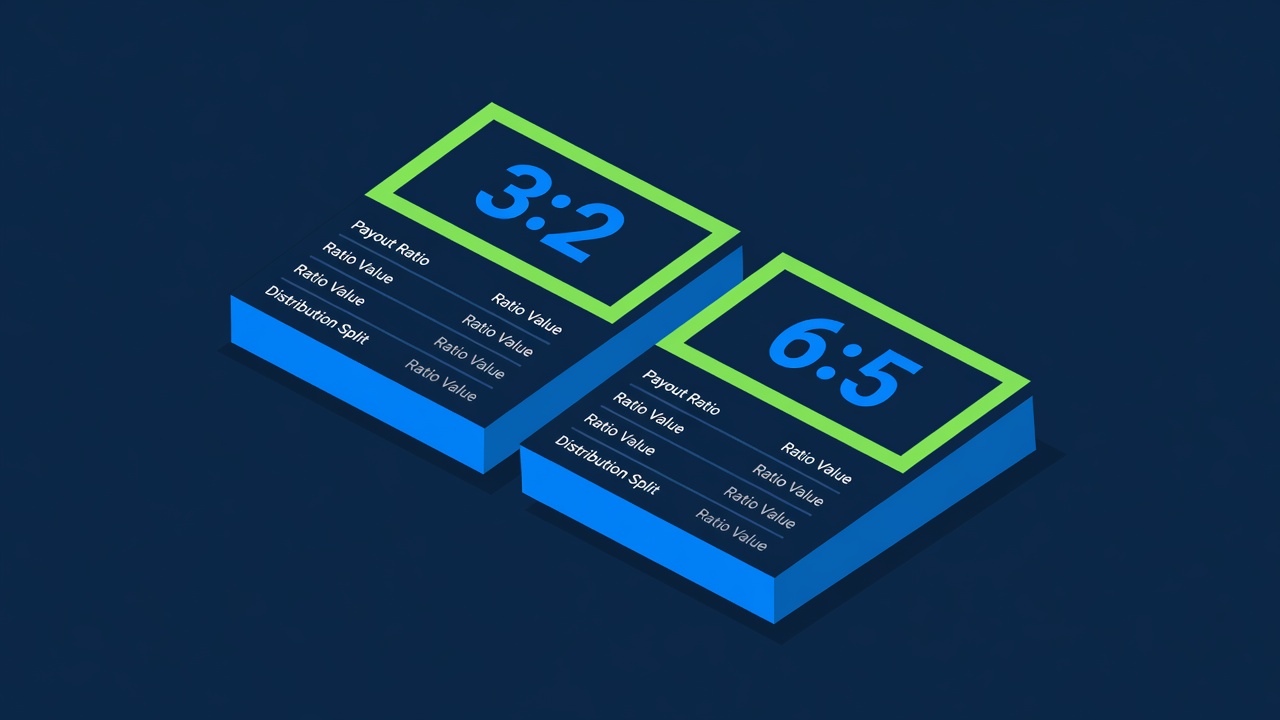
Traditionally, blackjack pays 3:2. You bet $10, blackjack hits, you win $15. The ratio of $15 to $10 is 3:2. This has been the standard in casinos for decades.
Some casinos now offer 6:5 blackjack. You bet $10, blackjack hits, you win $12. The ratio of $12 to $10 is 6:5. It sounds close to 3:2. It is actually dramatically worse.
The Math
3:2 payoff means your net return is 150 percent of your bet. 6:5 payoff means your net return is 120 percent of your bet. The difference is 30 percent worse return on the blackjack outcome. This is not a rounding error. This is a significant reduction in payout.
How often does blackjack occur? Roughly 4.83 percent of hands are blackjack (either you or the dealer, but you get paid when you get blackjack). That is approximately 1 in 20 hands. Over 100 hands, you will get roughly 5 blackjacks.
With 3:2 payoff: 5 blackjacks at $10 each yields $75 in winnings. With 6:5 payoff: 5 blackjacks at $10 each yields $60 in winnings. The difference is $15 on a $1,000 wager, or 1.5 percent. This is pure expected value loss just from the payout change.
Claim vs. Reality
Claim: 6:5 blackjack is "almost the same" as 3:2. Reality: 6:5 is approximately 1.4-1.5 percent worse in expected value. Over a long session, this compounds into meaningful loss.
Claim: Casinos offer 6:5 blackjack because the game is "more exciting." Reality: Casinos offer 6:5 blackjack because it is more profitable for them. There is nothing exciting about a lower payout.
Claim: "You get $12 instead of $15, who cares?" Reality: You should care because $3 per blackjack compounds. Over a month of casual play, that $3 per blackjack becomes hundreds of dollars in lost expected value.
Where This Happens
6:5 blackjack is most common in Las Vegas on low-stakes tables. Single-deck blackjack at a $15 table is usually 6:5. Multi-deck blackjack at a $5 table is increasingly 6:5. Casinos use the lower payout on tables they expect casual players to populate.
High-stakes blackjack (tables with $100 minimums) is almost always 3:2. Whales will not play 6:5. Only casual players accept it without reading the rules.
How to Avoid It
Ask the dealer before you sit down: "What is the blackjack payout?" If they say 6:5, find a different table. If you are playing online, the payout is usually displayed. Read it before depositing. 3:2 is standard. 6:5 is a downgrade.
The Compensation
Some casinos try to offset 6:5 payouts with other rules. Maybe the game allows surrender (you give up half your bet instead of playing). Maybe the dealer hits on soft 17 versus standing. These rule changes might reduce the house edge slightly, but they rarely fully compensate for the payout reduction.
Do not accept 6:5 blackjack even if the casino claims other favorable rules. The payout change is visible and clear. The other rules are marginal.
The Trend
6:5 blackjack is expanding. Casinos see it as an opportunity to increase revenue from casual players who do not do the math. Professional players and informed casual players are moving toward online casinos where 3:2 is more common, or toward jurisdictions where 6:5 is discouraged.
The shift from 3:2 to 6:5 is a silent tax on uninformed players. It is legal. It is increasingly common. It is also easily avoidable if you know what to look for.