The first live dealer rooms I visited in 2010 were in Eastern Europe. Latvia, Estonia, Romania. These were production facilities disguised as luxury casinos. Twenty tables in a soundstage. Each dealer seated behind a felt. Each table broadcasting to multiple online casinos. I watched the production values improve over the decade. Camera angles. Lighting. Audio quality. But what struck me was that different tables had wildly different game speeds.
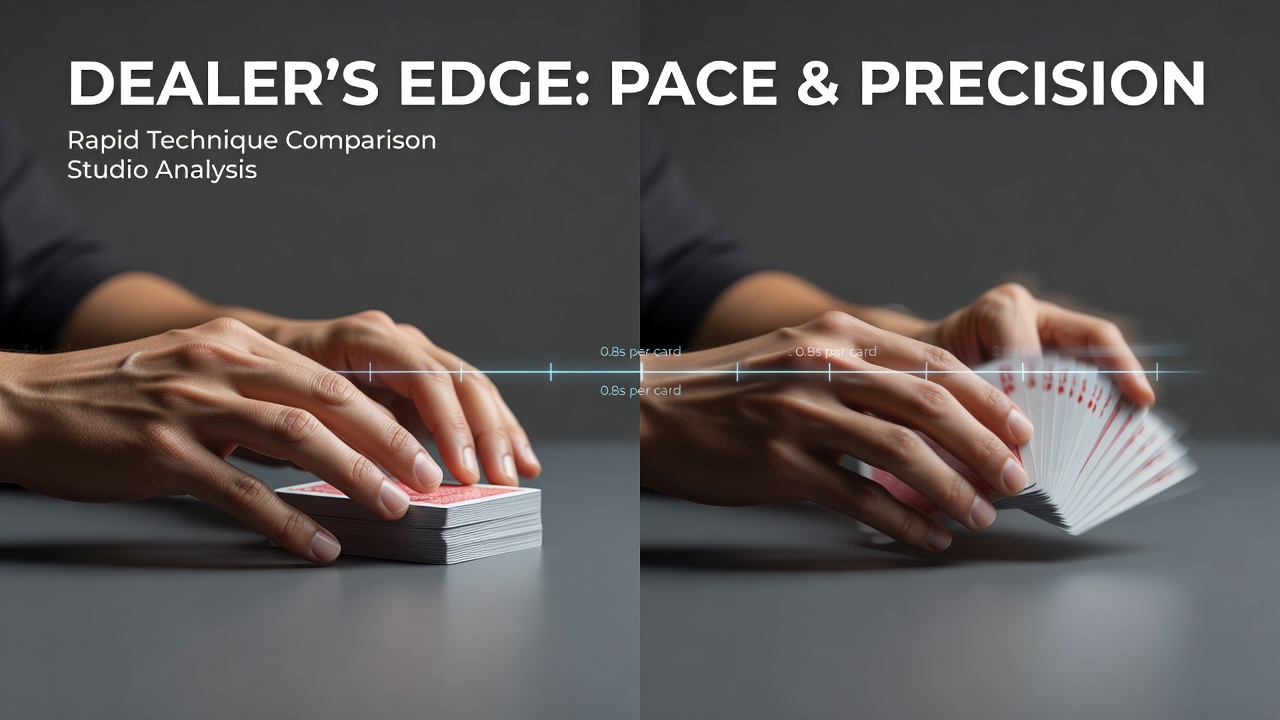
I asked dealers why. I asked managers why. I collected data. Speed has multiple causes. First, the dealer. Some dealers have been doing this for fifteen years. Some are new. An experienced dealer can run a baccarat table at twenty hands per hour. A new dealer might run twelve.
Key Elements
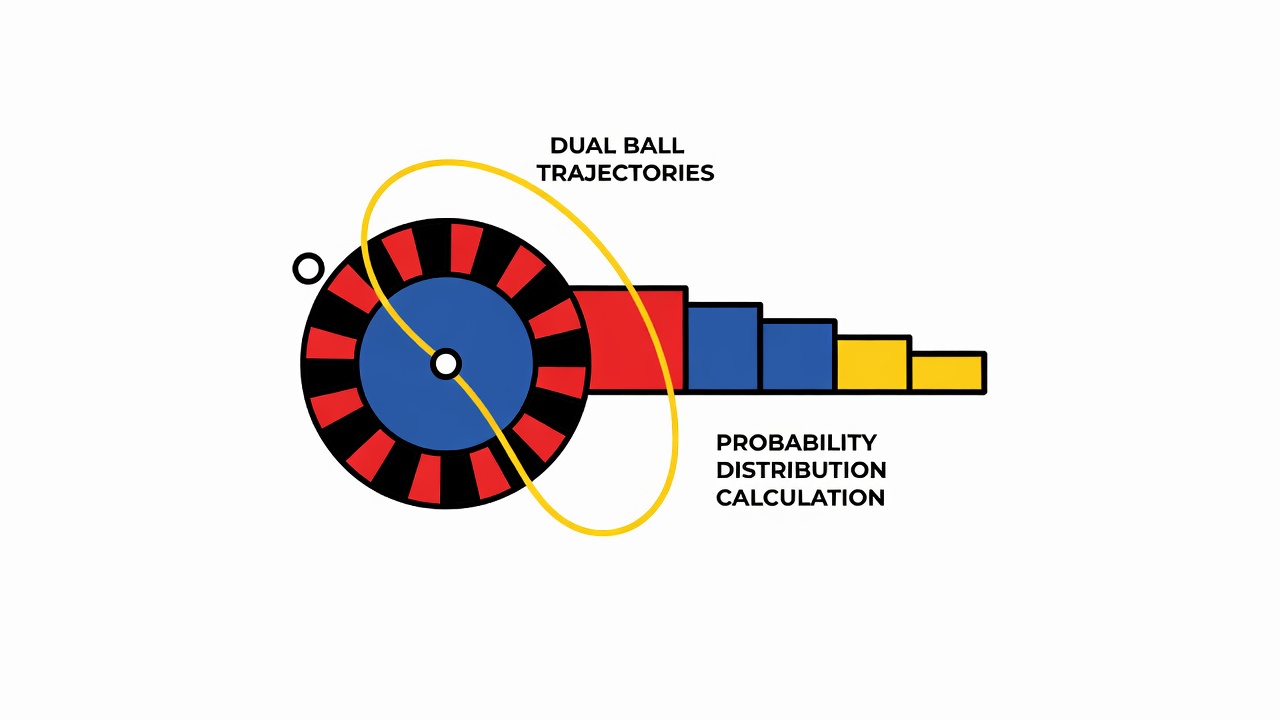
Second, the game itself. Roulette is slow because the wheel has to spin and settle and the ball has to be collected. Baccarat is faster because the cards deal quickly and the hand resolves in seconds. Blackjack is medium because there are player decisions but a single set of decisions per hand.
Third, the rules. A baccarat table where the commission is automated is faster than a table where the commission is calculated manually. A blackjack table where players are required to make rapid decisions is faster than a table where players can take unlimited time.
Fourth, the software. Some platforms have snappy interfaces. Some have lag. The delay between a player action and the dealer seeing it and acting on it affects speed. Bad software can cut the speed of a table in half.
Fifth, the casino requirements. Some casinos require dealers to greet players by name. Some casinos require dealers to pause between hands to let players chat. These requirements slow the table down.
I timed tables at a major online casino operator. The fastest baccarat tables were doing twenty-four hands per hour. The slowest were doing fourteen. The difference was game design and dealer training. The faster tables had automated commission calculation. The slower tables had manual calculation.
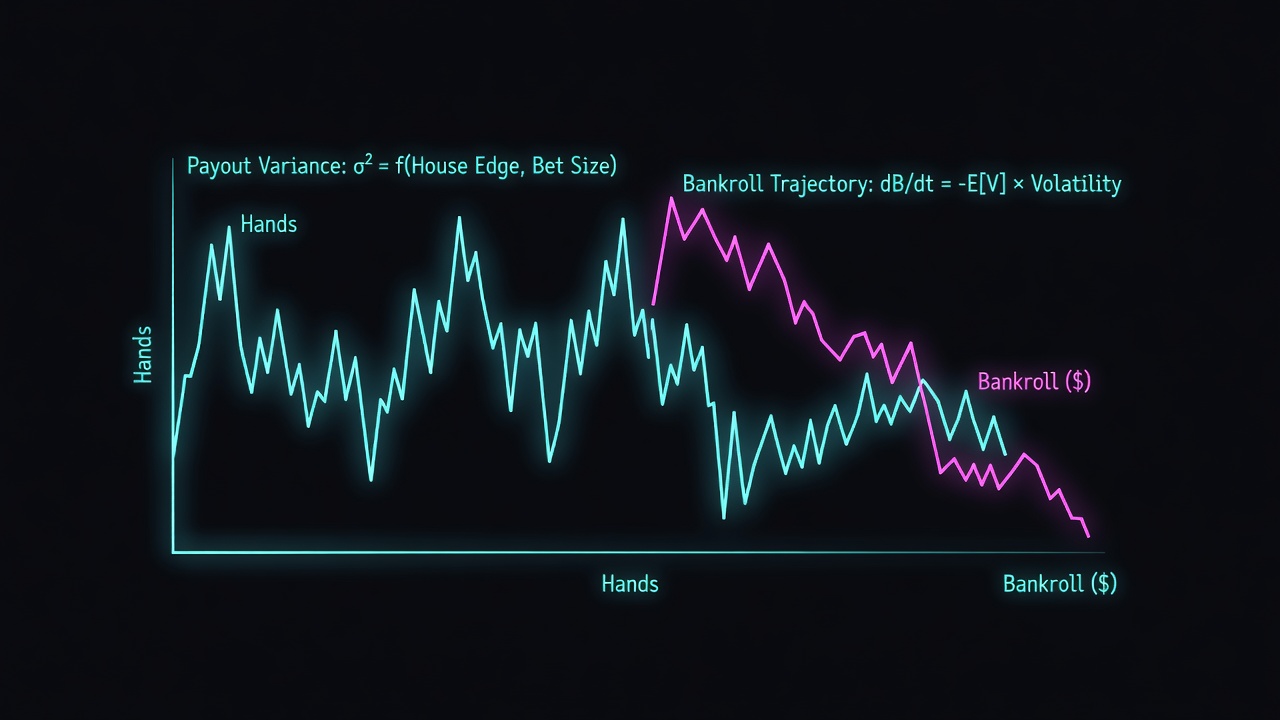
Five more games per hour is more than a 30 percent increase in throughput. The difference compounds across a full day. A single table running twenty hands per hour instead of fourteen is ten extra hands per day per table. Across twenty tables, that is two hundred extra hands per day. The house edge applies to all of them.
Casinos optimize for speed when they can because speed increases the number of decisions and the amount of money wagered. But they cannot optimize too much or the experience becomes unpleasant. Players need time to make decisions. Players need time to feel like they are being served, not processed.
The fastest live dealer games I have ever seen were at unregulated casinos in Southeast Asia. No regulatory requirements. No player protection. No delays. A baccarat dealer running thirty hands per hour, cards flying, barely pausing between outcomes.
The slowest games I have seen were at the most regulated casinos, where player protection is mandated and dealers are required to follow specific protocols about player communication and decision time.
What I documented is that speed is a design choice. Casinos choose how fast they want their tables to run. They choose based on profit margins, player satisfaction, and regulatory requirements.